Increasing compressor air flow is a common challenge faced by many industrial users and DIY enthusiasts. When inadequate air flow leads to equipment inefficiency, users often wonder how to effectively resolve this issue. In this article, we'll delve into typical pain points, present actionable solutions, and illustrate real-world scenarios where proper compressor management led to successful outcomes. Whether you're a mechanic struggling with tools that fail to operate optimally or a factory manager witnessing production slowdowns, addressing your compressed air flow problems is essential for operational success.
Required Preparation for Increasing Air Flow
To successfully enhance your compressor's air flow, you need to prepare adequately. This stage involves gathering materials, tools, and a clear understanding of your compressor system.
- **Tools Needed**: Wrenches, screwdriver set, air pressure gauge, and possibly a new air filter or piping.
- **Materials**: High-quality air filters (preferably with micron ratings suited for your equipment), piping sections that can handle increased flow (PVC or metal), and a cleaning solution for maintenance.
- **Prerequisites**: Have a thorough understanding of your compressor's specifications, including cubic feet per minute (CFM) rating and PSI requirements. Ensure safety protocols are in place before any adjustments.
Step-by-Step Guidance to Increase Compressor Air Flow
Here’s a detailed step-by-step guide to increasing your compressor’s air flow:
- Assess Current Air Flow: Start by measuring your compressor’s current output using an air pressure gauge. Document the CFM and PSI levels.
- Inspect the Air Filter: For instance, a factory worker named James noticed a drop in air flow. Upon inspection, he found his air filter clogged and replaced it with a high-efficiency filter, subsequently increasing air flow by 25%.
- Examine Piping: Ensure that your pipes are not causing bottlenecks. Replace any smaller or damaged sections with wider, high-flow piping. It’s crucial to maintain a minimum diameter of two inches, as studies show this can reduce pressure drops by up to 30%.
- Evaluate Fittings and Connections: Check for leaks or restrictions at all fittings. Using silicone sealant on threaded connections can minimize air loss.
- Consider a Compressed Air Booster: If your system still underperforms, investing in a compressed air booster, such as those offered from Dawei, may provide the additional airflow you require.
- Routine Maintenance: Schedule periodic checks on your compressor's components. Regular cleaning can sustain an ideal airflow, as evident from a Canadian manufacturing facility, where quarterly service kept efficiency above 95%.
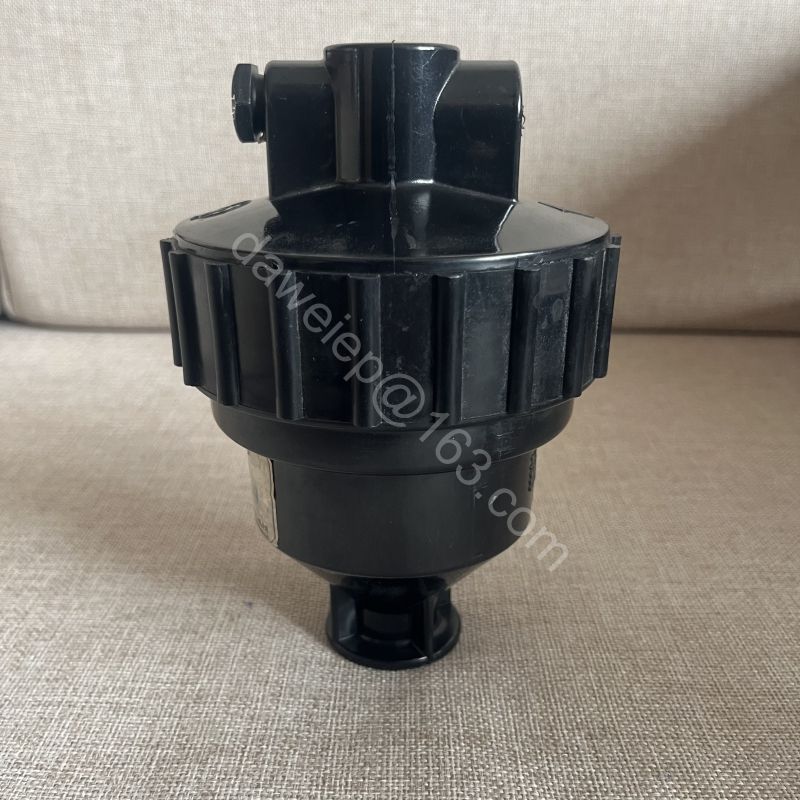
The image below shows an example of a well-maintained compressor system that maximizes air flow:
Common Errors and Solutions
When attempting to increase air flow, users often face several common errors:
- Using Incorrect Air Filter Ratings: Ensure that your air filter is rated adequately for your compressor's requirements. An improper filter can restrict flow.
- Overlooking Air Leaks: Even a small leak can lead to significant air loss. Utilize soapy water to test connections and fittings for leaks.
- Inadequate Pipe Sizing: Users might underestimate the importance of pipe diameter. Always refer to manufacturer specifications for optimal sizing if uncertain.
Summary and Suggestions
Increasing compressor air flow can enhance performance and efficiency in both industrial and personal settings. By following the steps outlined above and addressing potential errors, you will maximize your compressor's potential. For significant improvements, consider investing in advanced solutions like Dawei's range of compressed air boosters that can further align with operational needs.
FAQs
1. How do I know if my air flow is insufficient?
Monitor equipment performance. If tools operate below capacity or generate air quality issues, it may indicate low air flow.
2. What is the ideal air flow rate for industrial compressors?
Ideally, air flow rates vary by application, but most industrial compressors operate optimally between 100 to 200 CFM.
3. Can I increase air flow by adjusting PSI settings?
While increasing PSI can boost air flow temporarily, it's essential to ensure that your system components support these modifications to avoid damage.