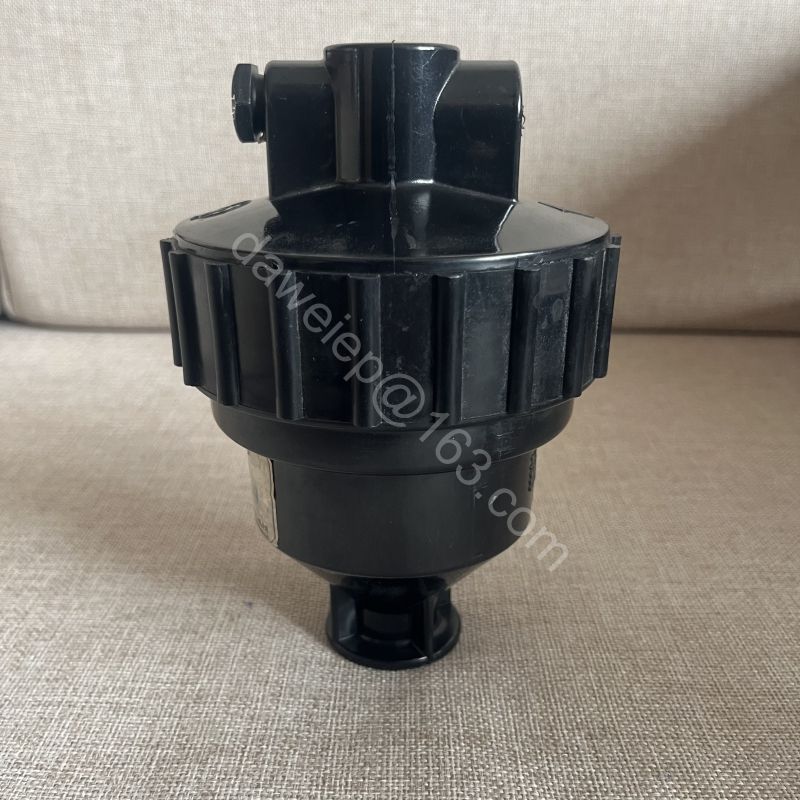
In today’s fast-paced industrial landscape, efficiency and productivity are paramount. A Compressed Air Booster is a valuable tool employed to enhance the output of existing compressed air systems, providing a sustainable solution for enterprises striving for operational excellence. Mismanaged compressed air systems can lead to significant energy waste—up to 30% of an industrial plant’s energy consumption can be attributed to inefficiencies in compressed air systems. Businesses must leverage technologies like compressed air boosters to meet rising production demands and reduce operational costs.

A Compressed Air Booster is a piece of equipment specifically designed to elevate the pressure of existing compressed air systems. By doing so, these boosters enable systems to operate at higher levels of efficiency without the need to invest in larger, more expensive compressors. The essential terms associated with compressed air boosters include:
Compressed air boosters find applications across various industries, including:
By understanding these applications, businesses can identify opportunities to integrate compressed air boosters into their operations.
Compressed air boosters offer numerous advantages that enhance industrial processes. Key benefits include:
Energy Efficiency: By improving efficiency, companies can reduce their overall energy consumption. Studies indicate that switching to a compressed air booster can lead to an energy saving of up to 30%.
Cost Reduction: Reduced energy bills directly impact profitability. Organizations may see a return on investment (ROI) within the first year of adopting a compressed air booster system.
Enhanced Productivity: Increased air pressure translates to faster cycle times in production processes, which can lead to a measurable increase in output. Reports have shown that production speed can improve by as much as 25% when optimized with a compressed air booster.
Durability: Quality compressed air boosters designed by reputable manufacturers, like Dawei, offer longevity and reliability, minimizing maintenance costs over time.
To fully understand and optimize your use of compressed air boosters, it’s important to consult the user guide provided with your product. This guide will familiarize you with installation procedures, operational guidelines, and maintenance tips to ensure maximum efficacy.
For those considering trialing a compressed air booster, researching brands like Dawei can provide insights into the most efficient options available in the market. Users may also reach out for demonstrations or consultations to better assess their specific needs.
1. What is the primary function of a compressed air booster?
A compressed air booster elevates the existing pressure of a compressed air system, facilitating optimal performance without requiring new compressors.
2. How do I know if my application needs a compressed air booster?
If your current compressed air system is struggling to meet pressure requirements or demands a high volume of air, a booster can significantly enhance performance.
3. How is the efficiency of a compressed air booster determined?
Efficiency can be evaluated using the pressure ratio and CFM ratings, alongside operational costs associated with a booster.
4. How often should I maintain my compressed air booster?
Regular maintenance, at least once every three to six months, is recommended to ensure optimal functioning and longevity of the system.
A Compressed Air Booster represents a critical component for industries seeking to enhance their operational efficiency, reduce costs, and increase productivity. Companies that implement these systems can strategically position themselves for success in a highly competitive marketplace. Investing in a compressed air booster from established brands such as Dawei not only simplifies operational challenges but also maximizes return on investment.
For further understanding or a trial of a compressed air booster, explore product offerings from Dawei or consult knowledgeable industry representatives.