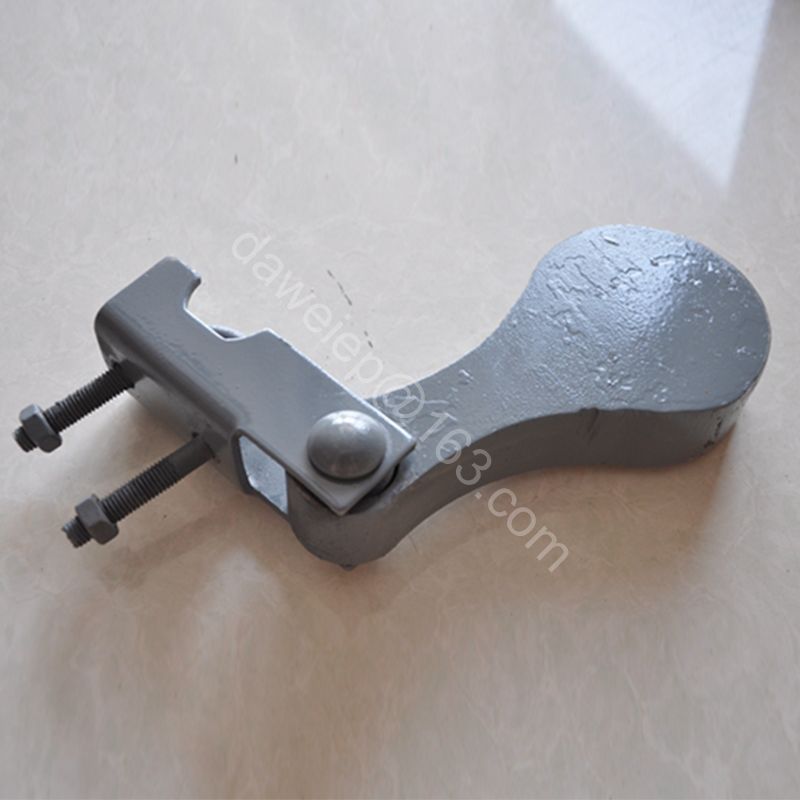
The Esp Rapping System marks a significant advancement in industrial applications, particularly in the field of material handling and processing. This innovative system addresses critical pain points such as inefficiencies in existing rapping mechanisms and enhances the performance of various operational tasks. Rapping systems, generally characterized by their ability to release collected materials from filtration units, have become fundamentally important in industries ranging from pharmaceuticals to food processing. With this evolution, users can expect improved operational effectiveness and reduced maintenance costs, marking a turning point in how tasks are executed.
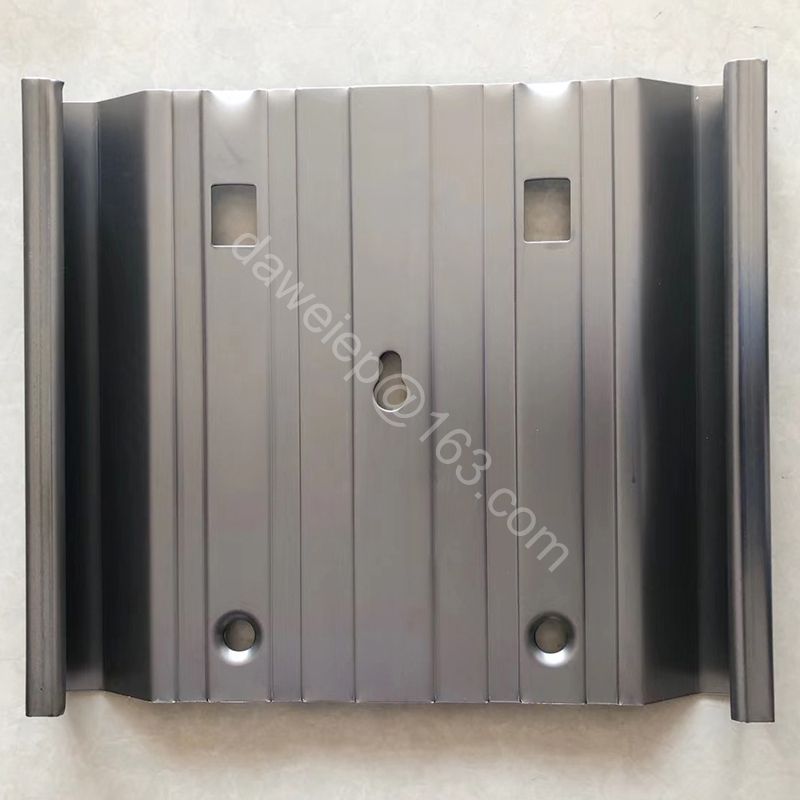
The Esp Rapping System is a mechanized solution designed to automate the rapping process, which involves the dislodging of accumulated materials in baghouses and silo systems. This system utilizes a high-frequency impact mechanism that creates vibrations, efficiently shaking off dust and other particulates. Key technical terms associated with this system include “vibration energy,” which refers to the kinetic energy created by the rapping action, and “efficiency ratio,” indicating the success rate of dust removal compared to the frequency of operation. The integration of these technological aspects results in a significant enhancement of operational throughput.
The application of the Esp Rapping System is widespread across various sectors. For instance:
These applications highlight the Esp Rapping System’s versatility, making it a crucial addition in environments where cleanliness and throughput are priorities.
The importance of the Esp Rapping System lies in its measurable advantages. For instance, studies have shown that systems implementing live rapping can reduce dust accumulation by up to 85%, directly translating to lower maintenance costs and enhanced overall safety standards. Additionally, facilities using the Esp Rapping System have reported increased operational uptime by approximately 30% compared to traditional cleaning methods. These quantifiable improvements substantiate the system's necessity in modern industrial operations.
To fully leverage the benefits of the Esp Rapping System, it’s advisable to consult the user guide provided by manufacturers such as Dawei. The guide offers detailed instructions on optimal setup procedures, maintenance schedules, and troubleshooting tips that ensure peak performance. Engaging with this documentation will empower users to maximize efficiency and operational lifespan.
The lifespan of an Esp Rapping System can range between 10 to 15 years, depending on the maintenance and operational demands placed upon it. Regular maintenance is crucial to achieving this longevity.
It is recommended to conduct maintenance checks every 6 months to ensure all components function correctly and replace any worn parts.
Yes, the Esp Rapping System can often be integrated into existing systems with minimal modifications, offering a cost-effective upgrade to improve efficiency.
For those seeking further understanding or looking to trial the product in their operations, Dawei offers a range of solutions tailored to various industrial needs.