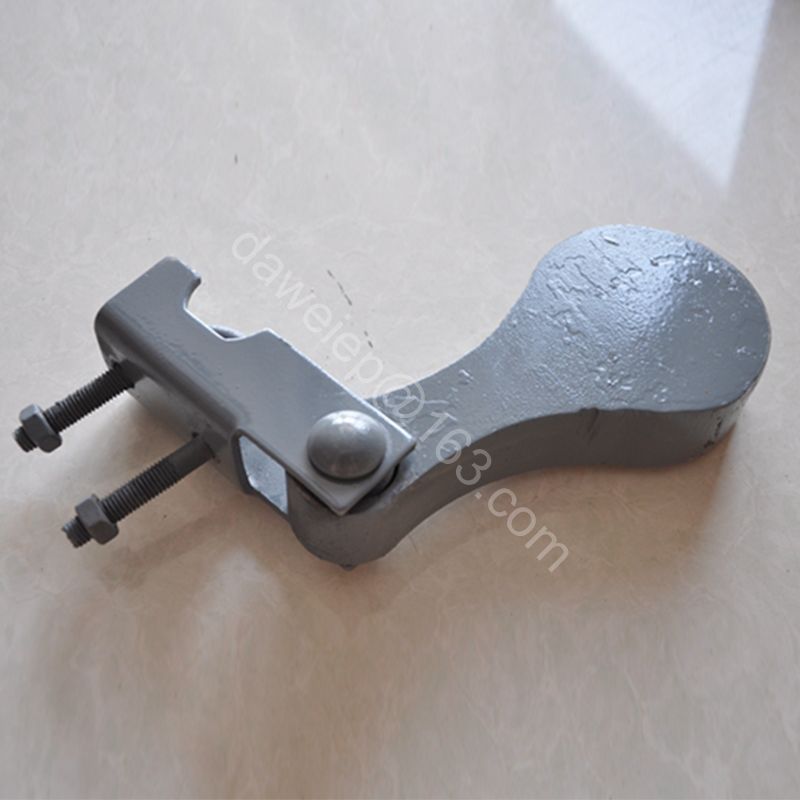
The Esp Rapping System is a pivotal innovation in industrial processes, particularly in the field of manufacturing. With the rising complexity and demand for efficiency in production lines, the need for effective material handling systems has never been more pronounced. Across various sectors, organizations face challenges such as downtime caused by equipment failures and inefficiencies in material flow. The introduction of the ESP Rapping System has emerged as a viable solution, addressing these pain points effectively.
Image for Reference
The ESP Rapping System is an advanced material handling technology designed to improve the efficiency of processing plants. In industrial terms, "rapping" refers to the process of striking or tapping material processes to facilitate flow. This system utilizes mechanical rapping, often powered by pneumatic or hydraulic systems, to dislodge materials from walls of hoppers, silos, or other storage units.
The ESP Rapping System is versatile and finds applications in diverse fields including:
By adopting the ESP Rapping System, manufacturers can significantly reduce downtime. Studies have shown that implementing such systems can lead to a reduction in material flow issues by up to 45%, thereby increasing overall productivity in the plants.
Why is the ESP Rapping System critical in today’s industrial landscape? Here are some key advantages:
The implications of these benefits are significant as they directly translate into higher production rates and improved profitability.
For those interested in implementing or understanding more about the ESP Rapping System, it is advisable to consult the comprehensive user guide provided by manufacturers like Dawei. This guide offers detailed insights into installation, maintenance, and operational best practices.
1. How do I maintain an ESP Rapping System?
Routine inspections and lubrication of moving parts are essential. Keeping the pneumatic system free from blockages is also critical to maintaining optimal performance.
2. What is the estimated lifespan of an ESP Rapping System?
With proper maintenance, most systems can operate effectively for 10-15 years, depending on the workload and operational conditions.
3. Can the ESP Rapping System be used for all types of materials?
While it is effective for a variety of materials, it is essential to assess compatibility with specific materials and consult manufacturer guidelines.
For further understanding or trial opportunities, consider reaching out to Dawei, a leading provider of industrial solutions specializing in advanced rapping systems. Taking proactive steps now can lead to substantial operational improvements in the near future.