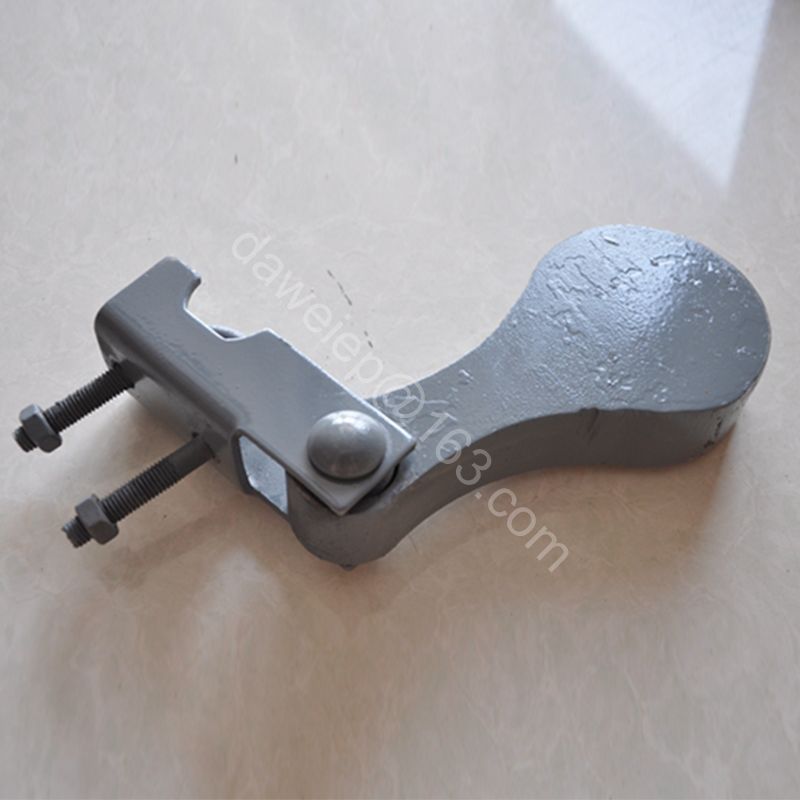
In an era where air quality is a major concern, the emergence of ESP Rapping Systems has revolutionized pollutant removal, particularly in industrial applications. These systems are specifically designed to combat particulate matter, a pressing challenge in maintaining clean air standards. Industries such as power generation, cement production, and waste management regularly face difficulties in achieving optimal emission levels. The introduction of ESP (Electrostatic Precipitation) Rapping Systems has proven essential for enhancing operational efficiency. By effectively dislodging particles that accumulate on collection plates, these systems have been shown to improve overall dust removal efficiency by up to 30%.
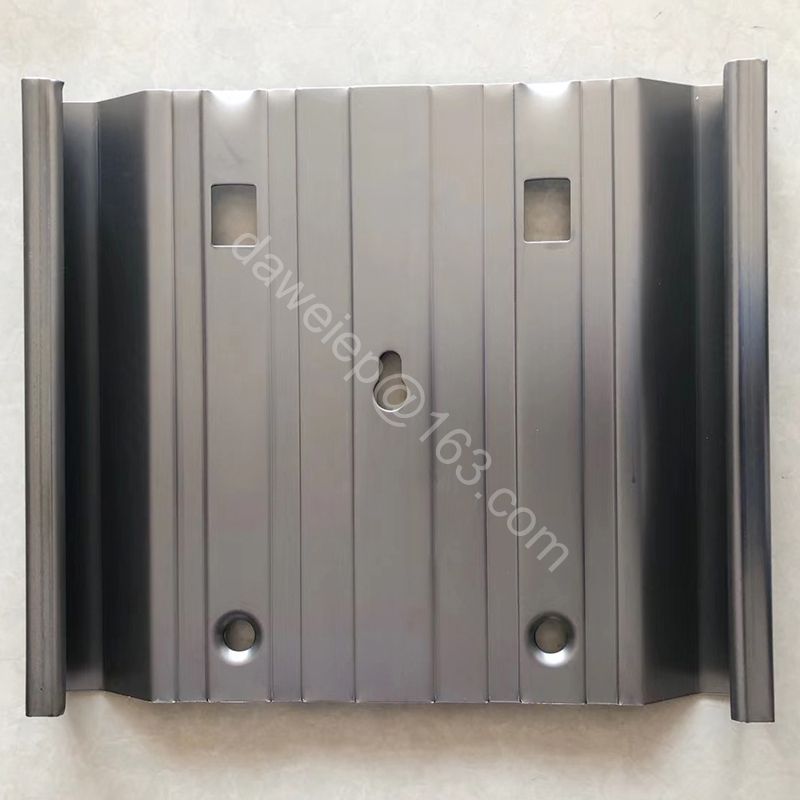
ESP Rapping Systems are integral components of electrostatic precipitators. They utilize mechanical or pneumatic rapping mechanisms to remove dust particles from the collecting plates. This process is critical because a buildup of particulate matter can reduce the efficiency of the emission control system and increase operational costs. According to the U.S. Environmental Protection Agency (EPA), dust emissions can increase by approximately 10% for every week of operation without rapping, highlighting the necessity of these systems.
ESP Rapping Systems are implemented across numerous industries where particulate matter poses a threat to compliance with environmental regulations. Key applications include:
These diverse applications underline the flexibility and critical nature of ESP Rapping Systems in various fields.
The significance of ESP Rapping Systems cannot be overstated. Their advantages include:
For those looking to implement or understand more about ESP Rapping Systems, consulting the user guide available from manufacturers is highly recommended. Understanding the intricacies of installation, operation, and maintenance will enhance the performance of your systems significantly.
Explore leading brands, such as Dawei, that offer comprehensive solutions and expert guidance on this technology.
1. What is the primary function of ESP Rapping Systems?
ESP Rapping Systems primarily function to dislodge accumulated particulate matter from the collecting plates of electrostatic precipitators, optimizing their performance and lifespan.
2. How often should the Rapping System be activated?
Activation frequency depends on the volume of particulate matter; however, routine checks suggest operational cycles every 10-15 minutes during peak operations for effectiveness.
3. Are ESP Rapping Systems suitable for all industries?
While they are most effective in industries with high particulate emissions, they can be adapted for various applications requiring stringent air quality management practices.
By leveraging ESP Rapping Systems, businesses can ensure operational excellence while adhering to environmental standards. Enhanced efficiency, cost savings, and regulatory compliance are just a few benefits that come with this vital technology.
If you would like more information about this product, please feel free to contact us. Recommend other popular products for you.: Esp Rapping System