Are you struggling to maximize the efficiency of your Electrostatic Precipitator (ESP) system? One common issue that operators face is the challenge of collecting electrodes and their significant impact on overall performance. Collecting electrodes are critical for capturing particulate matter, and their deficiencies can lead to increased emissions and reduced operational efficiency. The real intention behind evaluating collecting electrodes stems from the need to lower operational costs and improve compliance with environmental regulations. In this article, we'll discuss how to enhance your ESP performance through optimized collecting electrodes, supported by real-life cases and professional insights.
To begin improving the performance of your ESP through effective collecting electrodes, you’ll need to gather the following materials and tools:
Begin by assessing your ESP's current performance. Gather historical data on particulate matter emissions and collection efficiency. For instance, one facility improved its collection efficiency from 85% to 93% by systematically reviewing and updating its electrode systems.
Utilize the digital manometer to measure the pressure drop across your collecting electrodes. Aim for a reading below 5 inches of water column. A higher pressure drop indicates that the electrodes may be clogged or less effective.
Regularly inspect electrodes for signs of wear or dust accumulation. One case study highlighted that a manufacturing plant reduced its emissions by 20% after implementing a thorough cleaning schedule that involved scraping and brushing the electrodes monthly.
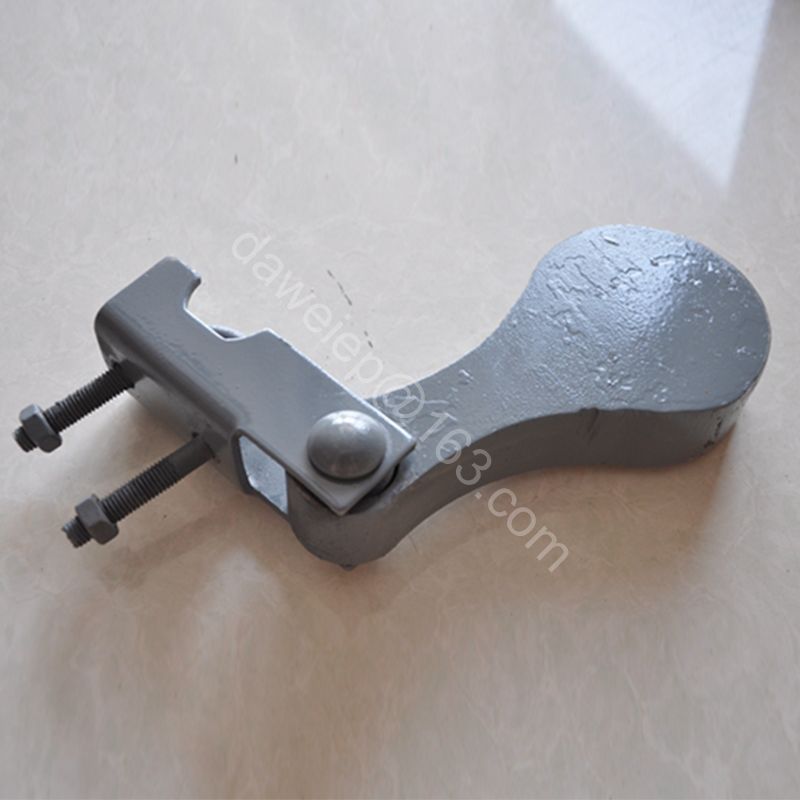
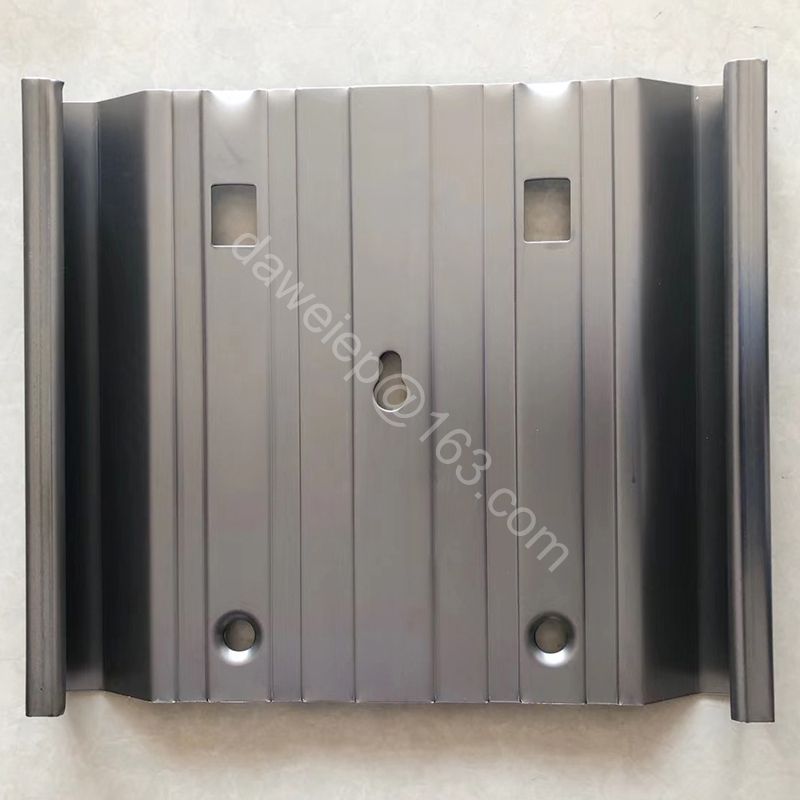
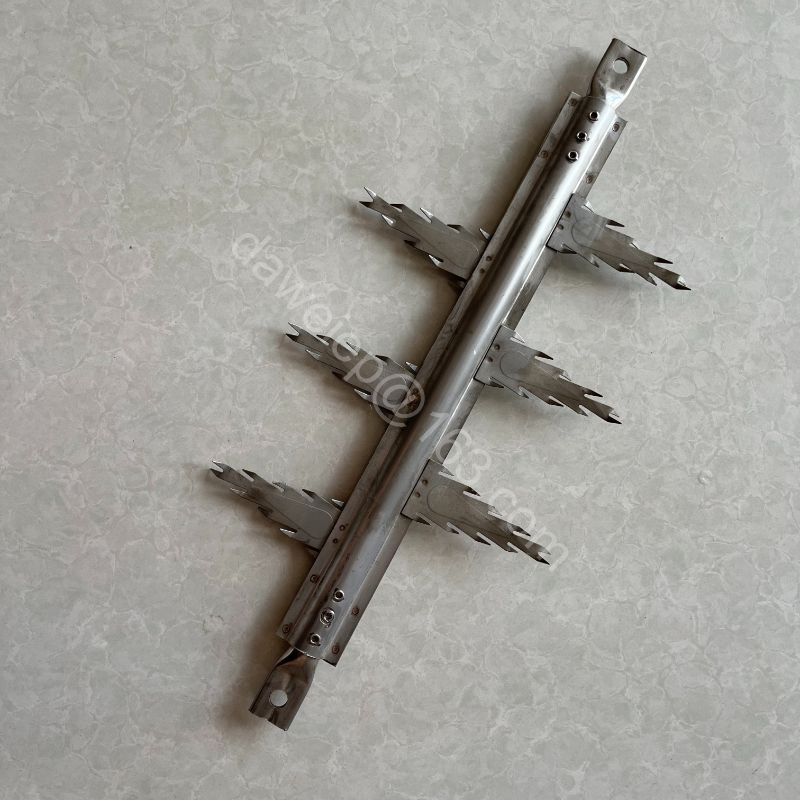
If your electrodes are significantly worn down, consider replacing them with new ones, like those from Dawei. Their collecting electrodes have been shown to increase collection efficiency by up to 12% over standard options.
Adjust operational parameters such as voltage and frequency, as they can significantly influence collecting efficiency. Facilities often see an increase of up to 30% in filtration efficiency simply by optimizing these settings.
Implement a robust maintenance routine, including regular inspections and prompt replacement of the collecting electrodes. Feedback from users indicates that consistent maintenance can extend electrode life by at least 25%.
Error 1: Neglecting electrode maintenance can lead to increased emissions and operational costs.
Solution: Schedule monthly cleaning and inspections to catch potential issues early.
Error 2: Using substandard electrodes that degrade quickly.
Solution: Invest in high-quality electrodes from reputable suppliers like Dawei to ensure optimal performance and longevity.
Optimizing collecting electrodes significantly influences the performance of your ESP. By carefully assessing current conditions, conducting regular maintenance, and investing in high-quality replacement electrodes, facilities can achieve measurable improvements in emissions control, operational efficiency, and regulatory compliance. Remember, just as with one user who transformed their ESP’s performance through diligent electrode management, your facility can see enhanced performance too. Tracking the data and making informed decisions will guide your efforts in maintaining an efficient electrostatic preciptator.
Q: How often should I clean my collecting electrodes?
A: It's recommended to clean the electrodes at least once a month, but this may vary based on your facility's particulate exposure level.
Q: What are the signs that electrodes need to be replaced?
A: If you notice a significant increase in pressure drop or a decrease in collection efficiency, it may be time to replace your electrodes.
Q: Can using poor-quality electrodes increase operational costs?
A: Yes, low-quality electrodes tend to wear out faster, leading to increased maintenance and replacement costs as well as reduced efficiency.
If you would like more information about this product, please feel free to contact us. Recommend other popular products for you.: Collecting Electrode