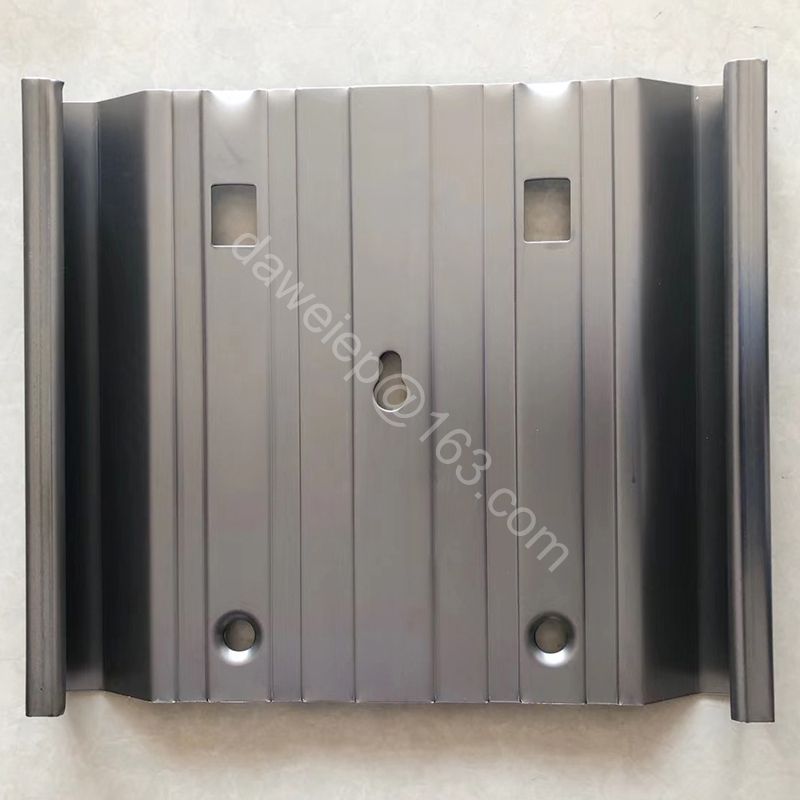
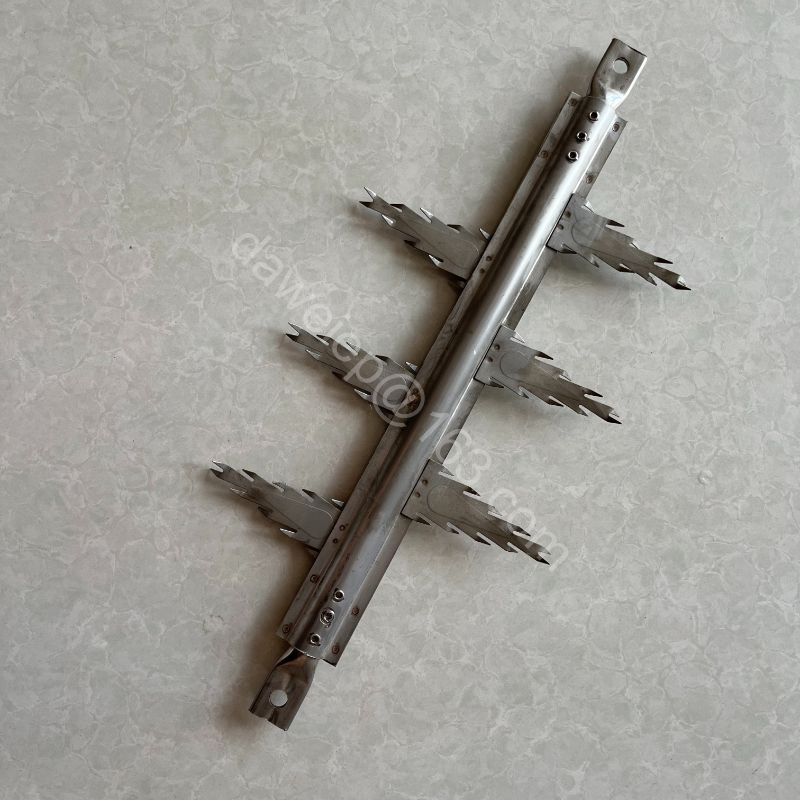
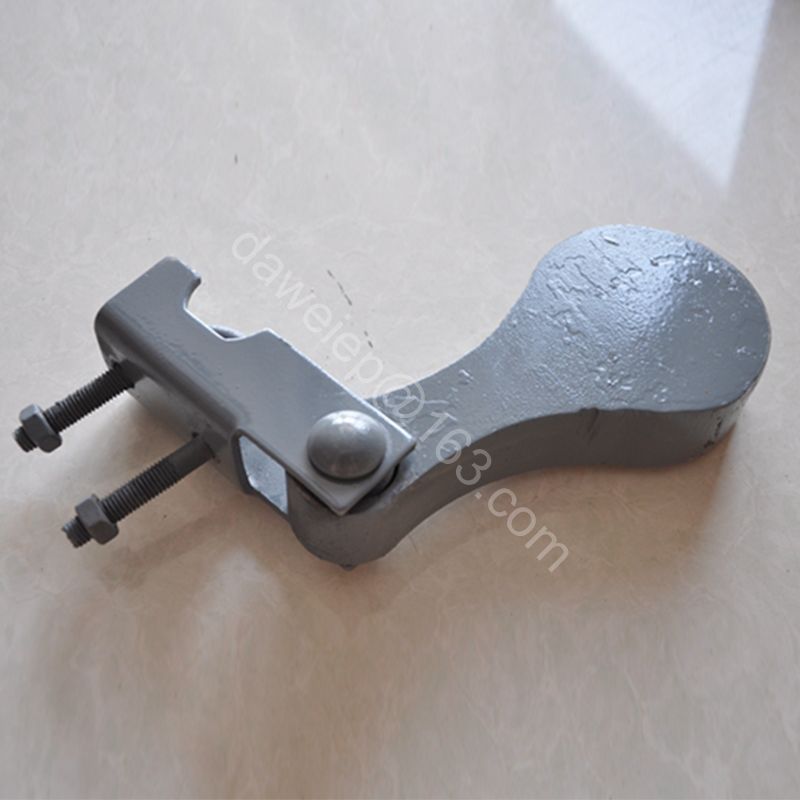
In electrostatic precipitator, if the discharge electrode is the "heart" that generates electric field and charges dust, then the dust collecting electrode (also called anode plate or dust collecting electrode) is the "warehouse" that captures and contains dust.
Product Description
The Collecting Electrode, also known as the ESP Collecting Plate or Collecting Plate Electrode, is one of the most critical components inside an Electrostatic Precipitator (ESP). Its primary function is to capture the charged dust particles and ensure stable, high-efficiency particulate removal across the entire electric field. At Dawei, our Electrostatic Precipitator Collecting Plates are engineered with optimized geometry, high-strength materials, and precise structural rigidity to deliver exceptional dust collection performance in demanding industrial environments.
Designed for power plants, cement kilns, steel mills, chemical processing facilities, and waste-to-energy applications, our collecting electrodes provide:
• Larger effective collection surface area
• Improved mechanical strength and anti-deformation properties
• Reduced dust re-entrainment during gas flow
• Stable performance under high temperature, high voltage, and heavy dust load
The main form of dust collecting electrode (CE) In order to maximize the dust collecting efficiency and facilitate dust removal, the dust collecting electrode plate is designed into various special cross-sectional shapes instead of simple flat plates. The main forms include:
Features: the plate surface is in the shape of a C-shaped groove, and both sides are provided with windproof grooves (retaining edges).
Advantages: The windbreak ditch can prevent the trapped dust from being directly washed by the airflow and causing secondary flying. Structural rigidity is good, which is one of the common forms in the early and present.
Disadvantages: the weight is relatively large, and the uniformity of vibration force transmission is not as good as that of some new polar plates.
Features: The cross-sectional shape is similar to the letter Z, which is formed by continuous bending.
Advantages: The overall stiffness is very large, it is not easy to deform, and it can withstand strong vibration.
Disadvantages: The weight is heavy and the manufacturing process is slightly complicated.
Features: The plate surface is in continuous wave shape.
Advantages: it can provide a larger dust collection area in the same space, which is helpful to improve dust removal efficiency. The structure is lighter.
Disadvantages: the ability to resist deformation needs to be focused on.
Features: Round or hexagonal steel pipe is used as the dust collector.
Application scenario: It is mainly used for WESP (WESP) or vertical tube electrostatic precipitator under special working conditions. The ash cleaning method is liquid flushing, and the tubular structure is beneficial to form a complete water film.
Whether you need C-type, Z-type, wave-type, or tubular collecting electrodes, Dawei offers customized solutions that fit seamlessly into your ESP system—enhancing collection efficiency, lowering operational costs, and extending equipment lifespan. Get a quick quote.
Raw materials: The collecting plate is usually made of carbon steel. For some applications where carbon steel plates are often corroded, they are usually made of stainless steel or alloy steel.
Material thickness: The thickness of the dust collecting plate ranges from 1.2mm to 1.5mm.
.Spacing: The spacing between plates is different due to different designs of electrostatic precipitators. For example, in an electrostatic precipitator with linear emission electrodes, the interval between plates is 150 to 300 mm.. The distance between high-efficiency electrostatic precipitators (using wires) is 200 to 230mm. The spacing between electrostatic discharge power supply plates using rigid frames or plate-type discharge electrodes is 300 to 400 mm.
Height: The collecting tray is usually 6 to 16 meters high.
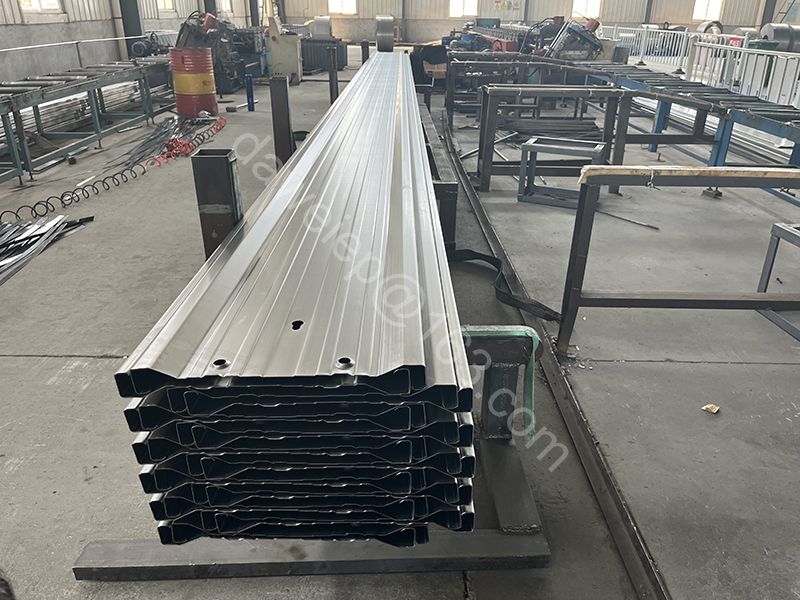
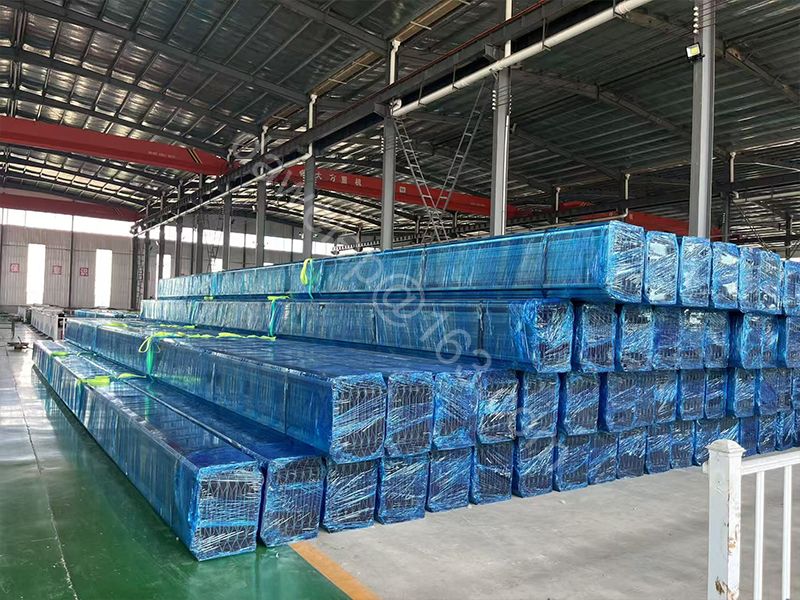
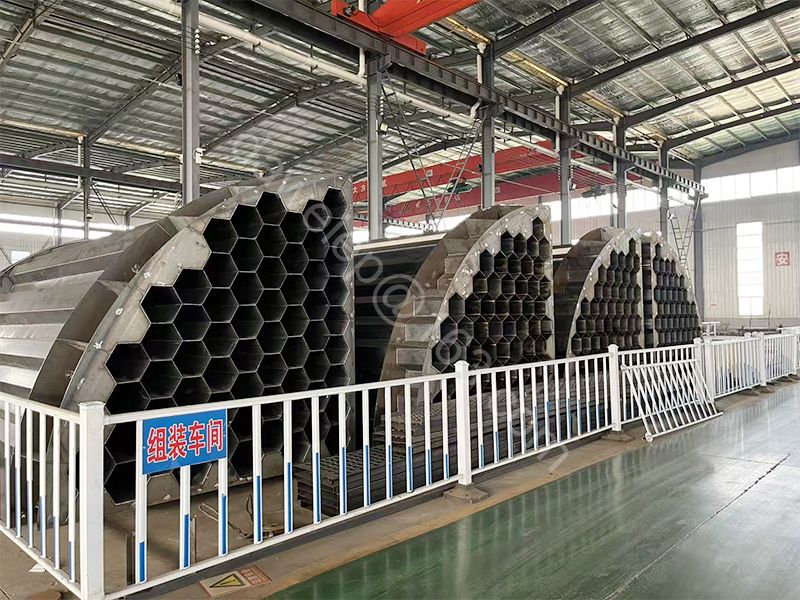
At Dawei, we understand that collecting electrodes (also called collection plates or anode plates) are critical to your electrostatic precipitator (ESP) system. If the discharge electrode is the “engine” that charges dust, the collecting plate electrode is the “warehouse” that captures and holds those charged particles. Our ESP collecting plates are engineered to maximize dust collection, ensure structural integrity, and support efficient ash removal — all while being compatible with a wide range of ESP designs.
1. Custom-Engineered Shapes for Maximum Efficiency
Our collecting electrode designs are not just flat plates. We offer C-shaped collecting electrodes, Z-shaped plates, wave-shaped plates, and tubular electrode structures, depending on your system needs.
These specialized shapes increase the effective collection area, improve rigidity, and help prevent re-entrainment of dust by airflow.
2. High-Grade Material Selection
We use carbon steel by default for collecting plates, but for more demanding environments (e.g., corrosive flue gas), we also have options in stainless steel or alloy steel to resist corrosion and maintain durability.
Plate thickness is optimized (typically in the range of 1.2 mm to 1.5 mm, depending on the design) to balance strength, weight, and longevity.
3. Precision Plate Spacing & Dimensions
Based on your ESP design (wire electrode, rigid frame, plate-type, etc.), we can recommend ideal inter-plate spacing — e.g., 150-300 mm for linear electrodes, or 300-400 mm for rigid-plate systems.
We also customize plate height, commonly from 6 to 16 meters, to match your precipitator’s electric field height.
4. Optimized Structural Rigidity
The Z-shaped collecting plate offers extreme stiffness and resists deformation under vibration or thermal stress.
C-shaped plates include wind-proof grooves (retaining edges) to help trap dust more securely and prevent re-entrainment.
Wave-shaped designs provide a larger surface area without greatly increasing weight, enabling better dust capture efficiency in the same volume.
5. Special Application: Tubular Collecting Plates
For wet electrostatic precipitators (WESP) or vertical tube ESPs, we offer round or hexagonal tubular collecting electrodes.
These tubular designs are ideal for liquid-film cleaning (washing ash off), because the geometry helps form a uniform water film in liquid-wash systems.
6. Reliable Performance & Long Life
Our collecting plates are designed for heavy-duty industrial use, enduring high dust load, frequent rapping / vibration, and prolonged exposure to high temperatures and flue gas.
By choosing the right shape and material, you minimize deformation and mechanical fatigue while maximizing the collection efficiency of your ESP.
7. Easy Integration & Maintenance
DWESP’s collecting plates are engineered for fast installation and reliable mounting in standard ESP modules.
The designs support effective ash removal via standard rapping mechanisms, which helps reduce maintenance frequency and downtime.
8. Technical Expertise & Support
Our engineers can help you select or redesign ESP collecting plates for retrofit projects or new installations.
We provide guidance on optimal plate geometry, inter-plate spacing, and material selection to match your process (e.g., power generation, cement, steel, chemical, waste-to-energy).
Our Electrostatic Precipitator Collecting Plates are widely used in:
• Coal-fired and biomass power plants
• Cement kiln dust control systems
• Steel and metallurgical plants
• Chemical and petrochemical exhaust gas cleaning
• Industrial boilers and waste incinerators
• Wet ESP (WESP) systems needing tubular collecting structures
These systems benefit from robust, optimized collecting electrodes that support high collection efficiency, reduced re-entrainment, and dependable long-term operation.
Ready to optimize your ESP with high-performance collecting plates? Contact DWESP today for a custom quotation or technical consultation — simply tell us:
• Your ESP model and configuration
• Plate dimensions (height, width, spacing)
• Material requirement (carbon steel, stainless, alloy)
• Operating conditions (temperature, gas composition, wet or dry)
Let us provide you with tailored Collecting Electrode (ESP Collecting Plate) solutions that maximize efficiency and minimize costs.