The following are the main challenges and corresponding solutions for the application of electrostatic precipitators in paper mills:
Problem Description: The flue gas generated from burning black liquor in recovery boilers contains a large amount of water vapor, resulting in very high humidity and moderate temperatures (typically around 120-180°C). This makes it highly prone to condensation inside the equipment. The condensate combines with sulfur dioxide (SO₂) and chlorides (Cl⁻) in the flue gas to form highly corrosive sulfuric acid and hydrochloric acid, leading to rapid corrosion of the shell, plates, and electrodes. Additionally, damp insulator surfaces easily cause tracking and short circuits in the high-voltage field, triggering frequent "trips."
1. Strict Insulation and Tracing: Apply high-standard insulation to the precipitator shell, hoppers, inlet/outlet ducts, and insulator compartments. Critical areas (such as insulator compartments) must employ electric or steam tracing with precise temperature control to ensure their internal temperature always remains at least 20°C above the flue gas dew point, preventing condensation.
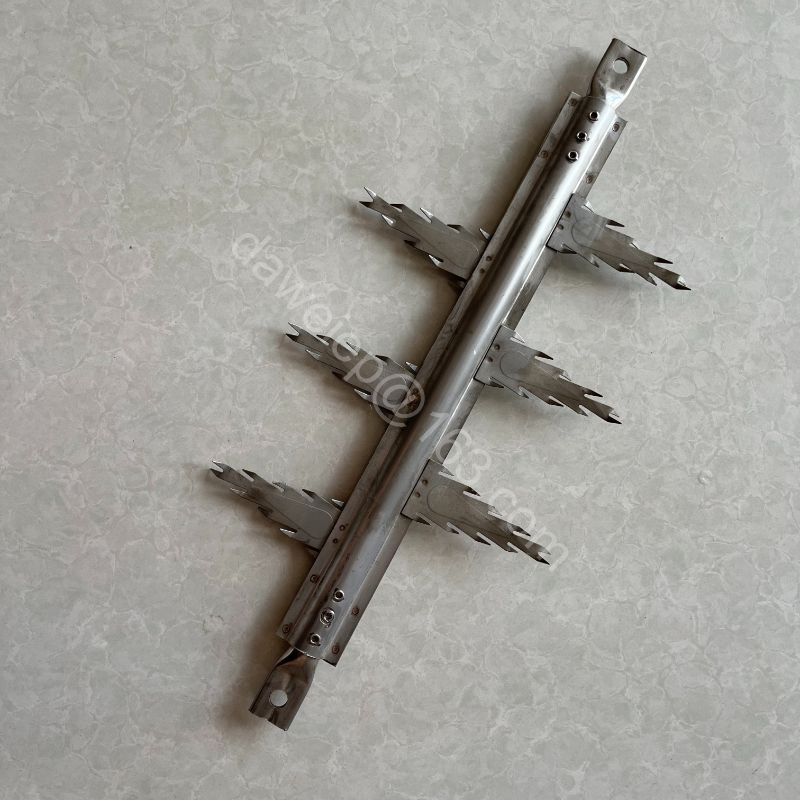
2. High-Level Corrosion Protection: Use stainless steel (e.g., 316L) or higher-grade materials resistant to chloride ion corrosion for internal components (collection electrodes, discharge electrodes). The inner shell walls and hoppers should be coated with high-performance anti-corrosion coatings (e.g., glass flake resin).
3. Insulator Protection: Utilize double-roof covers and hot air sweeping systems to continuously blow clean, dry hot air into the insulator compartments, creating a positive pressure that prevents moist flue gas from entering.
Problem Description: The dust from recovery boilers consists mainly of sodium sulfate (Na₂SO₄) and sodium carbonate (Na₂CO₃). This dust is lightweight, fine-grained, and somewhat adhesive. Under the influence of humidity, it can easily harden on the plates; however, due to its low density, once collected, it is also very easily carried away again by the gas flow, causing severe "re-entrainment" that affects the actual emission concentration.
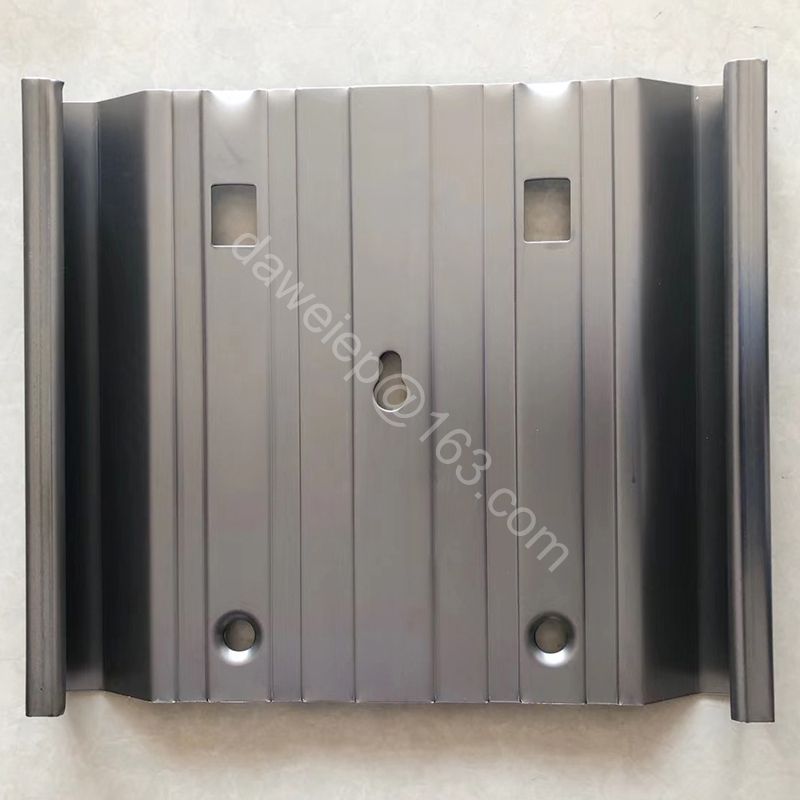
1. Optimized Electrode Configuration and Gas Velocity: Use Transverse Plate (TS-type) collection electrodes or C-type plates with anti-sneakage baffles to effectively block gas flow and suppress re-entrainment. Simultaneously, strictly control the gas velocity within the electric fields to stay at the lower reasonable limit.
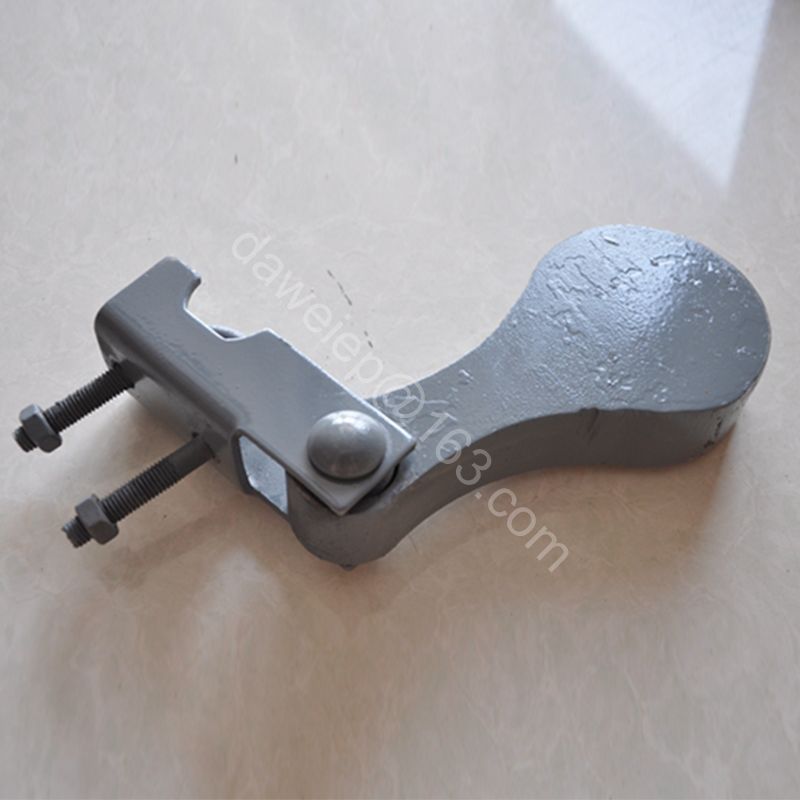
2. Precise Rapping Program: Establish differentiated rapping cycles and intensities for the front fields (coarse, less adhesive dust) and the back fields (fine, potentially hardening dust) based on their different characteristics. Use microprocessor-controlled rapping systems to find the optimal balance between cleaning effectiveness and re-entrainment.
3. New Power Supply Technology: Apply High-Frequency Power Supplies (HF) or Three-Phase Power Supplies to provide a more stable and powerful corona power, ensuring dust particles are fully charged and firmly adhered to the plates.
Problem Description: If the recovery boiler combustion is inefficient, the flue gas may contain Total Reduced Sulfur (TRS) compounds, such as hydrogen sulfide (H₂S) and methyl mercaptan. These gases are not only odorous but also combustible at certain concentrations, posing a safety risk in the high-voltage field.
1. Process Source Control: Ensure high combustion efficiency and temperature in the recovery boiler to fundamentally reduce TRS generation.
2. Concentration Monitoring and Safety Interlocking: Install TRS gas concentration monitors at the inlet of the electrostatic precipitator. If the concentration is detected approaching the Lower Explosive Limit (LEL), immediately interlock to cut off the high-voltage power supply and activate the corresponding emergency response plan.