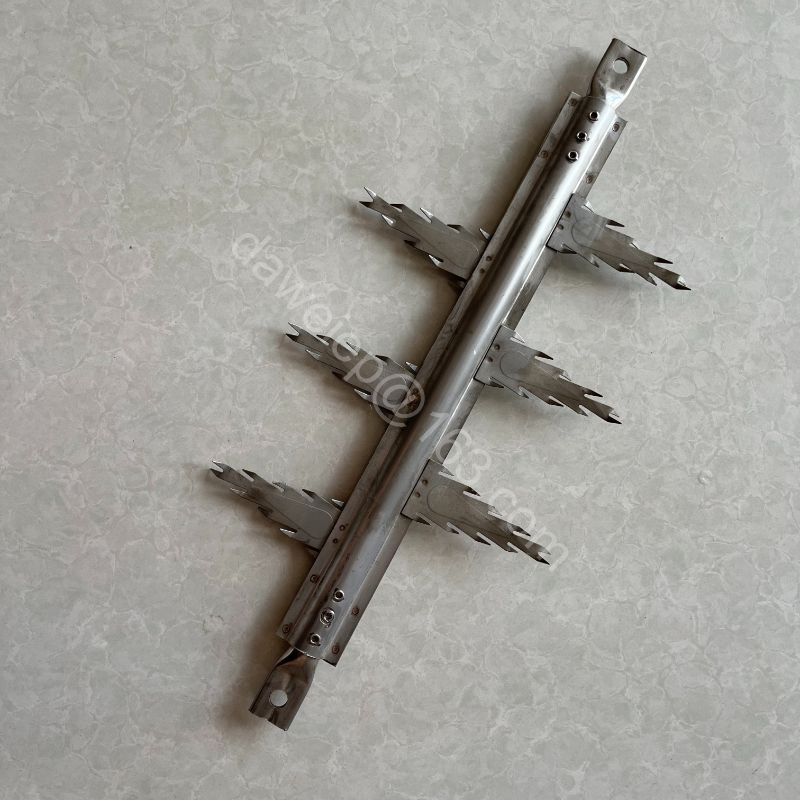
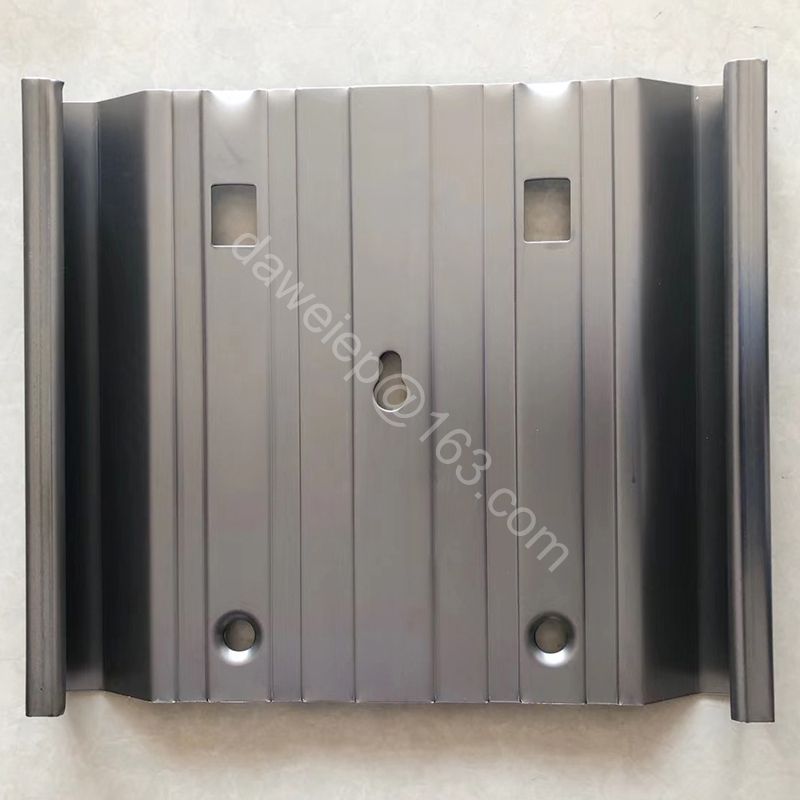
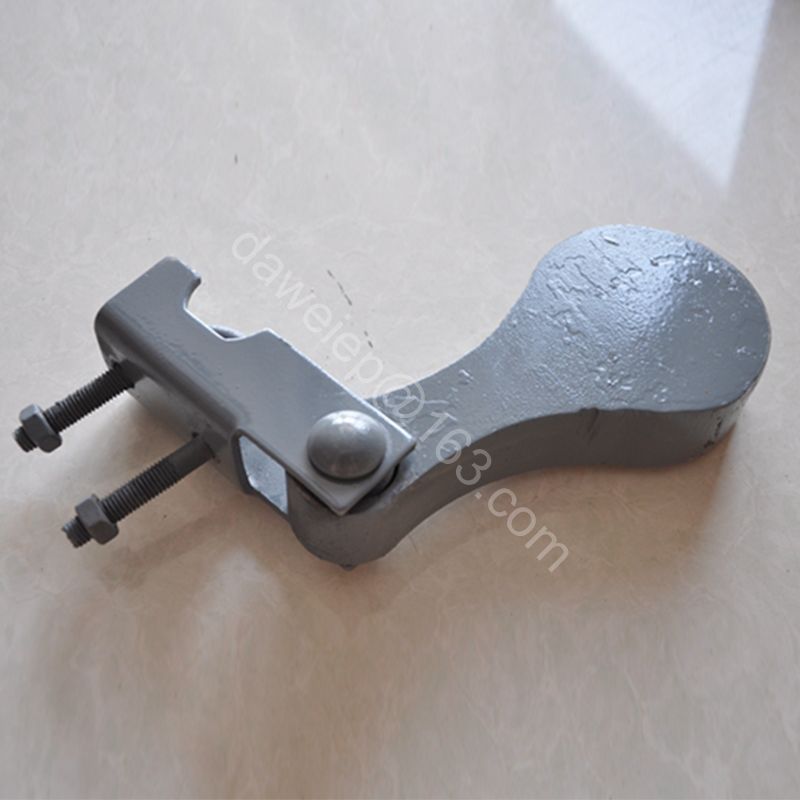
Emitting Electrode, also known as the discharge electrode, is the heart of ESP. Electrostatic precipitator is an efficient gas purification equipment, which is widely used in electric power, metallurgy, cement, chemical industry and other industries to remove particulate matter from industrial flue gas.
Product Description
The Discharge Electrode, also known as the emitting electrode or ESP discharge electrode, is the core component of an electrostatic precipitator’s ionization system. By generating a stable corona discharge, these electrodes charge dust particles in the flue gas, enabling them to be attracted to collecting electrodes for efficient removal. At Dawei, we offer a wide variety of discharge electrodes — from rigid discharge electrodes and flexible wire electrodes to spiral, pipe-type, spike, and multi-peak configurations — all engineered for durability, high performance, and compatibility with diverse industrial ESP systems.
To obtain the best corona discharge effect under different working conditions (such as flue gas temperature, humidity and dust properties), discharge electrodes have developed various forms, which can be mainly divided into the following categories:
Round wire: the earliest and simplest form, using round wire. However, because of its high corona voltage, low corona current and easy disconnection, it has been less used now.
Star wire: rolling the metal strip into a star-shaped section (usually a four-pointed star or a six-pointed star). This is one of the most widely used forms at present. Its sharp corner edge can produce strong corona discharge, with good strength, not easy to break wire and good ash cleaning effect.
Sawtooth line: Sawtooth is punched on one or both sides of the metal strip. The serrated tip can generate extremely strong corona current, which is especially suitable for dust with high specific resistance and high efficiency. However, the manufacturing process is demanding, and the sawtooth is easy to wear or deform.
Spiral line: round metal wire is wound into a spring shape. It has certain rigidity, can keep the distance between polar lines and discharge evenly. But the intensity is relatively low, which is suitable for low concentration flue gas treatment.
Weld or rivet many needle-shaped discharge points on the metal trunk. Each needle tip is a strong discharge point, which can generate a strong corona current. This form of discharge has high intensity, but it is complicated to make and easy to accumulate dust.
Use a narrow and long metal strip, such as fishbone line (holding the metal strip on the trunk). The discharge points are distributed at the edge of the metal strip, and the discharge performance is good.
such as barbed wire, is one of the most commonly used and classic forms of high efficiency electrostatic precipitator at present. It is to weld a plurality of barbs (triangular or pointed) on a circular support tube. Its advantages are very prominent: tip discharge: each barbed tip is an independent and strong discharge point. High strength: the overall structure is firm and not easy to deform. Improve the current distribution: it can generate strong ion wind, disperse space charges, and has extremely high collection efficiency for high-concentration and fine dust. Strong adhesion resistance: it is not easy to accumulate dust, and the dust removal effect is good.


The choice of discharge electrode should be based on the parameters of flue gas such as temperature, composition, dust specific resistance and concentration. For example, for dust with high specific resistance, sawtooth wires or barbed wires are often used; For ordinary working conditions, the star line is an economical and reliable choice.
| Type of Electrode | Advantages | Typical Applications |
| Rigid Discharge Electrode (Rigid Masts / Rigid Frame) | High mechanical strength, stable geometry, long field life; well-suited for large ESP modules requiring minimal vibration. | Coal-fired plants, steel & metallurgical plants, waste-to-energy units, heavy-duty ESP fields. |
| Flexible Wire – Round Wire Electrode (Straight or Spiral) | Tensioned wire provides uniform corona; spiral wire version increases discharge points and corona density. | Cement kilns, biomass boilers, chemical plants, general-purpose ESP retrofits. |
| Spike Type Electrode | Needle-like discharge tips focus the electric field, enhancing ionization efficiency with high-density corona points. | High-dust-load ESPs, steel industry applications, power plant ESP upgrades. |
| Spiral Discharge Electrode | Helical shape creates enlarged corona surface area and improved ion distribution across the gas stream. | Waste-to-energy systems, biomass boiler ESPs, chemical flue gas treatment. |
| Pipe-Type Electrode (Tube Electrode) | Hollow or solid pipe structure; strong, durable, and ideal for pipe-type ESP designs or corrosive gas environments. | Petrochemical plants, cement plants, high-temperature or corrosive flue gas applications. |
| Multi-Peak / Multi-Needle Discharge Electrode | Multiple pointed tips generate high-intensity corona and boost particle charging efficiency. | Heavy particulate environments, high-efficiency ESP retrofits, cement kilns, metallurgical ESPs. |
Dawei provides a full range of Discharge Electrode / Emitting Electrode solutions designed for different ESP configurations and industrial working conditions. Each electrode type delivers unique mechanical and electrical advantages, ensuring stable corona generation and long service life. Contact us for expert guidance.
1.Raw materials: Discharge electrodes are usually made of carbon steel. For some applications where carbon steel plates are often corroded, they are usually made of stainless steel or alloy steel.
2. Material thickness: The thickness of the discharge electrode ranges from 0.7mm to 1.2 mm.
3. Spacing: The spacing between discharge electrodes varies with different designs of electrostatic precipitators.
4. Length: The discharge electrode is usually 1 meter to 7.5 meters long.


Wide Selection of Electrode Types: We understand that different ESP designs and operating conditions demand different electrode geometries. That’s why Dawei provides a comprehensive selection, including rigid masts, round wire electrodes, spiral electrodes, pipe-type electrodes, spike types, and multi-peak emitting electrodes.
High-Quality Materials for Longevity: Our discharge electrodes are made from high-grade materials (e.g., alloy steel, stainless steel) that resist corrosion, fatigue, and high-temperature stress. This ensures a long service life even in demanding environments such as power plants, cement kilns, and metallurgical facilities.
Optimized Corona Performance: The design of our ESP discharge electrode maximizes stable corona formation with even ion distribution. Whether you use a straight round wire, spiral discharge electrode, or multi-peak configuration, we tune dimensions and spacing to deliver strong ionization while minimizing power loss.
Custom Engineering & Compatibility: Based on your ESP’s design drawings, gas conditions, and electrical parameters, our engineers can recommend the ideal electrode type, diameter, tension, and mounting method. This ensures a seamless fit and optimal performance.
Easy Maintenance & Replacement: Replacement of worn-out or damaged electrodes is straightforward. Our designs support field-repairable wires (for flexible electrodes) and modular rigid frames, reducing downtime and maintenance labor.
Improved ESP Efficiency & Reduced Sparkovers: Correctly designed and properly tensioned discharge electrodes help reduce sparking, prevent misfires, and improve the overall dust collection efficiency of the precipitator. This leads to more stable operation and reduced energy cost.
Technical Support & Retrofit Services: Dawei provides end-to-end support — from recommending the right discharge electrode plate or wire, to helping you retrofit existing ESP systems. Whether you’re upgrading, rebuilding, or repairing, our technical team guides you through the design, installation, and tuning process.
Thanks to their durability, stable corona output, and compatibility with global ESP designs, Dawei's Discharge Electrodes are widely used in:
• Coal-fired & biomass power plants – for achieving strong corona current and stable performance in large power ESPs.
• Cement kilns – where dust characteristics and temperature fluctuations require high-strength, corrosion-resistant electrodes.
• Metallurgical & steel plants – in harsh conditions with heavy dust load, high vibration, and thermal cycling.
• Chemical & petrochemical plants – handling corrosive or chemically active flue gases that require robust electrode materials.
• Waste-to-energy incinerators – ensuring reliable ionization in variable gas compositions.
• ESP upgrade & retrofit projects – replacing old wires or rigid frames with modern high-efficiency alternatives (spiral, multi-peak, or pipe-type).
A1: We offer a wide range of ESP discharge electrodes, including rigid masts, rigid frame electrodes, flexible round wire electrodes (straight or spiral), spike-type electrodes, pipe-type electrodes, and multi-peak/multi-needle electrodes, suitable for various industrial ESP applications.
A2: Selection depends on your ESP type, gas composition, dust load, temperature, and existing electrode design. Our engineers can review your drawings and recommend the most efficient electrode type, material, and mounting method.
A3: Yes. Dawei provides electrodes for both new installations and retrofit projects. Upgrading to spiral, multi-peak, or pipe-type electrodes can significantly improve corona distribution and overall dust collection efficiency.
A4: We use high-quality alloy steel, stainless steel, and other corrosion-resistant materials, chosen based on your operating environment and temperature requirements to ensure durability and long service life.
A5: Yes. Dawei offers technical support for installation, tensioning, alignment, and maintenance, ensuring that your ESP discharge electrodes operate at peak efficiency.
A6: Service life varies depending on operating conditions, but our electrodes are designed for high durability, mechanical stability, and corrosion resistance, typically lasting several years under normal industrial conditions.
Upgrade or replace your ESP discharge electrodes, including rigid, flexible, spiral, spike, pipe-type, and multi-peak electrodes, to improve dust collection efficiency, reduce sparkovers, and extend ESP service life. Contact Dawei today — our engineering team will recommend the ideal discharge electrode solution for your system.