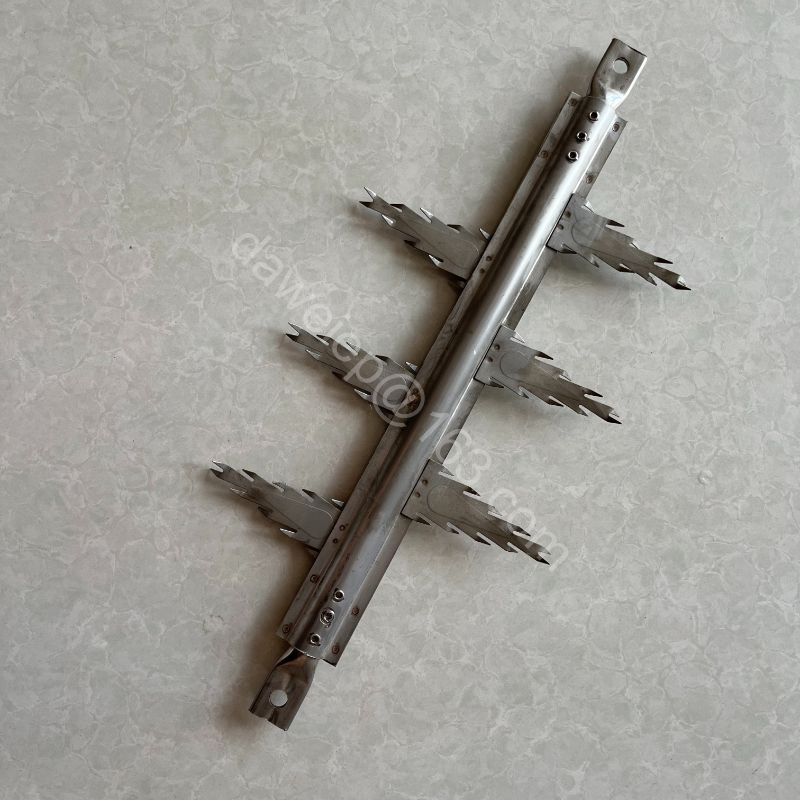
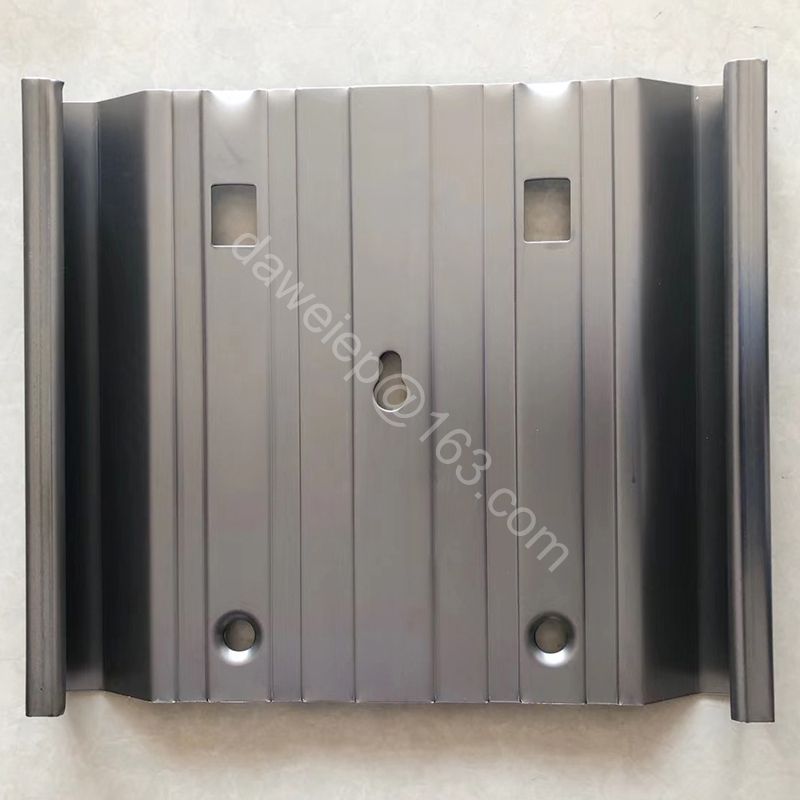
The selection of a Collecting Electrode is crucial for optimizing the performance of Electrostatic Precipitation (ESP) systems. By understanding the key factors that influence electrode choice, including material, shape, and operational conditions, you can enhance the system's efficiency and reliability. This complete guide will cover essential considerations, best practices, and actionable steps for selecting the right collecting electrode for your ESP systems.
Understanding the Role of Collecting Electrodes in ESP Systems
- Functionality: Collecting electrodes are fundamental in ESP systems, as they attract charged particulate matter, facilitating its removal from exhaust gases. Understanding how these electrodes operate significantly impacts system performance.
- Material Composition: Different materials, including stainless steel, graphite, and various alloys, possess distinct charging and collecting efficiencies. The material affects not only performance but also longevity and resistance to corrosion.
Key Factors in Selecting Collecting Electrodes
- 1. Material Selection:
- Consider the nature of the flue gas: corrosive environments may require more resilient materials like Hastelloy.
- Refer to studies (e.g., [EPA Report on Electrostatic Precipitators](https://www.epa.gov)) for detailed material performance guidance.
- 2. Electrode Shape and Design:
- Evaluate standard shapes (cylindrical, flat plate) and their respective benefits—consider the flow dynamics of your gas stream.
- Use simulation tools to model flow patterns and optimize electrode design.
- 3. Operational Factors:
- Assess the operating voltage and frequency, as they directly influence collection efficiency.
- Investigate optimal temperature range, as it impacts resistivity and performance of the collecting electrodes.
- 4. Maintenance and Longevity:
- Choose electrodes that simplify maintenance—consider designs that reduce fouling and allow for easy cleaning.
- Consult industry best practices for maintenance schedules to extend electrode lifespan.
- 5. Environmental Considerations:
- Take note of the environmental regulations governing emissions in your area, as they may dictate specific electrode requirements.
- Engage with compliance data from environmental agencies to ensure alignment with standards.
Implementation Steps for Optimal Selection of Collecting Electrodes
- Step 1: Conduct a Material Assessment
- Assess the chemical composition of the flue gases and potential contaminants.
- Review material performance charts for electrode options from reputable sources such as industry white papers.
- Step 2: Determine Electrode Specifications
- Identify the most effective electrode shape based on your specific ESP system layout.
- Utilize modeling software to simulate flow dynamics and determine required dimensions.
- Step 3: Evaluate Electrode Durability
- Investigate corrosion resistance and longevity of each material under projected operational conditions.
- Refer to manufacturer guidelines on maintenance protocols.
- Step 4: Review Compliance and Regulatory Needs
- Analyze local and federal regulations regarding emissions control.
- Ensure selected electrodes do not jeopardize compliance with environmental standards.
- Step 5: Collaborate with Experts
- Consult with manufacturers, industry professionals, and research institutions for additional insights.
- Attend webinars or training sessions on ESP system optimization for the latest advancements.
Common Mistakes to Avoid in Electrode Selection
- Neglecting Environmental Factors:
- Do not overlook how varying environmental conditions can affect electrode performance and lifespan.
- Overlooking Maintenance Requirements:
- Failure to choose electrodes that accommodate easy cleaning leads to long-term inefficiency.
- Rushing the Selection Process:
- Take the time to analyze all variables comprehensively—haste can lead to higher costs and reduced efficiency.
For a visual representation and further detailed exploration, you can view an example electrode design here: 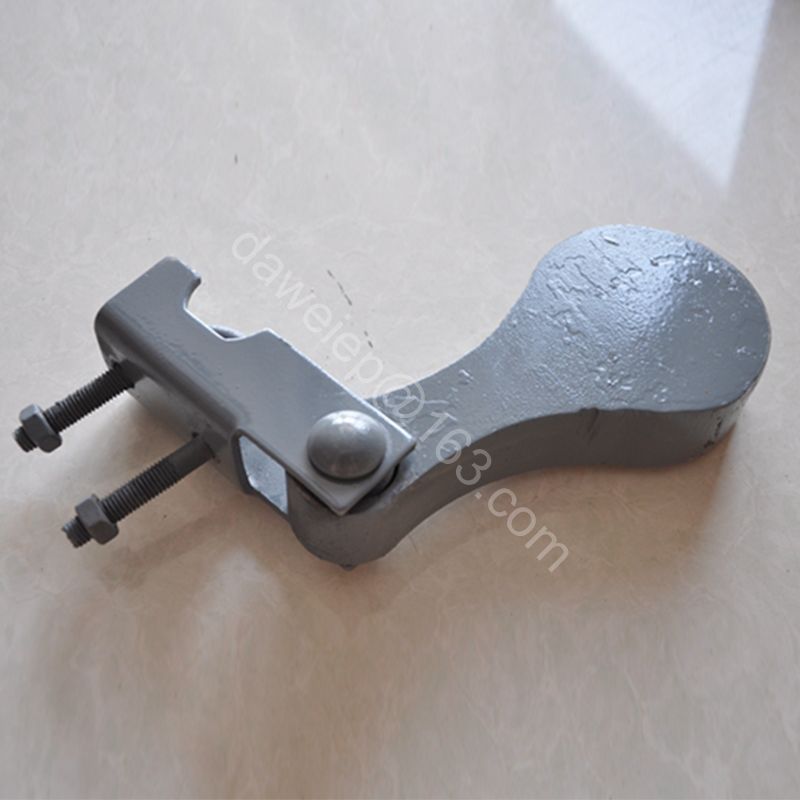
Conclusion: Making the Right Choice
Choosing the correct collecting electrode for ESP systems entails a comprehensive evaluation of materials, design, and operational parameters. By following the structured approach outlined above, you can ensure the optimal selection that aligns with your efficiency goals and regulatory requirements.