As the demand for efficient and accurate measurement of electric signals escalates, many users grapple with the complexities of integrating collecting electrodes into ESP (Electrostatic Precipitator) systems. The real intention behind this inquiry often revolves around achieving optimal performance in industrial processes, particularly in air pollution control. Users want to minimize emissions and enhance voltage conversion rates, which are critical in industries such as power generation and manufacturing.
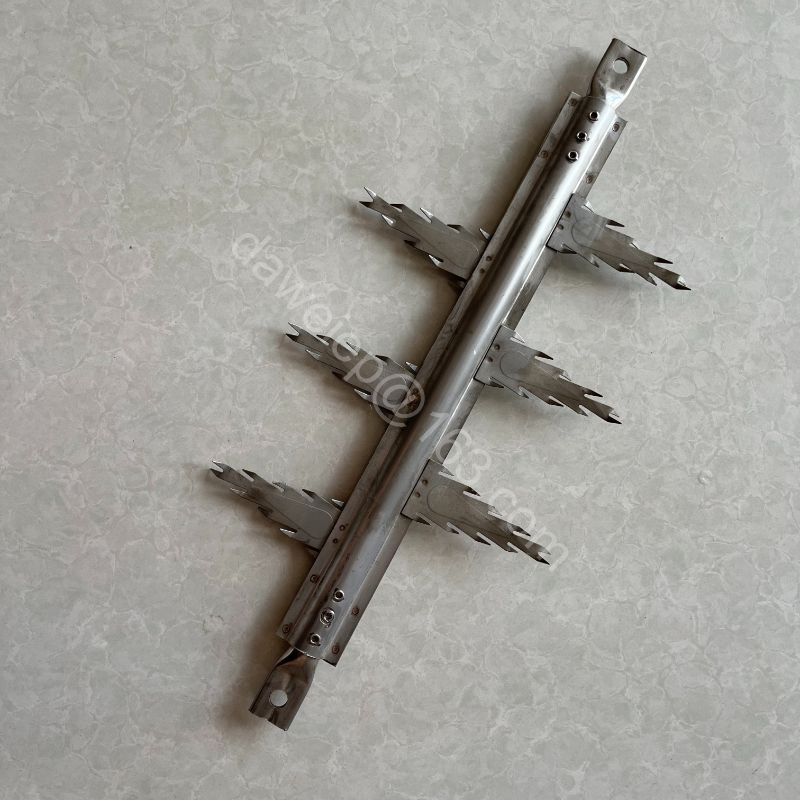
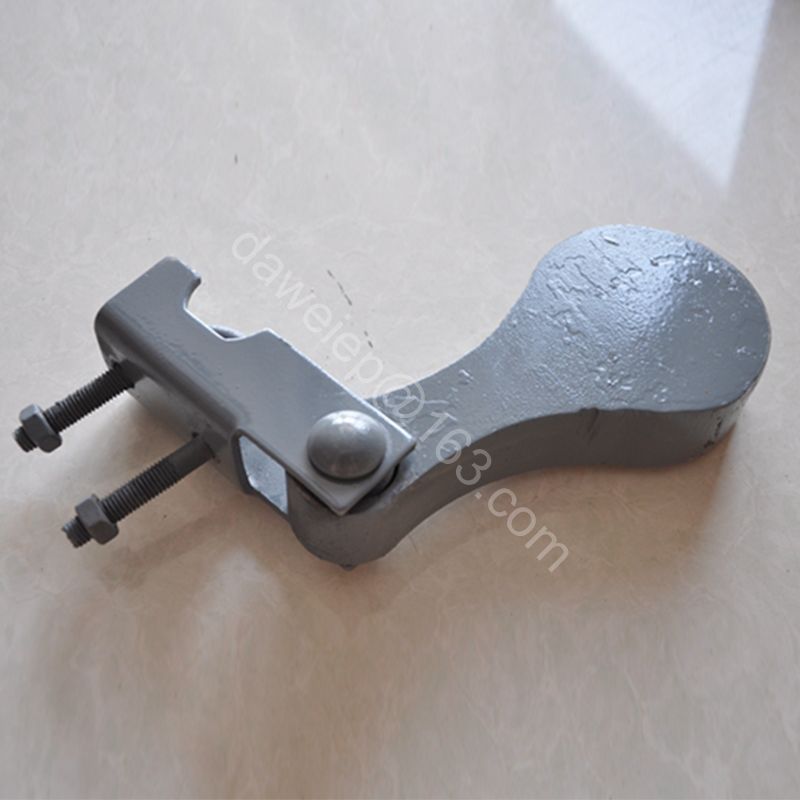
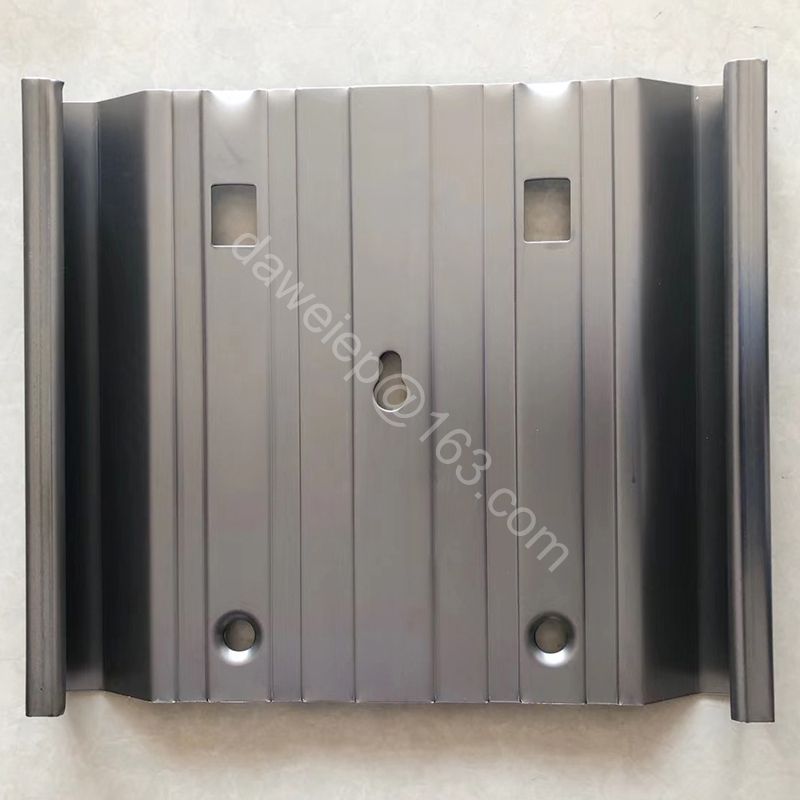
Collecting electrodes play a pivotal role in enhancing the efficiency of ESP systems. These electrodes are responsible for collecting charged particles from flue gases, thereby reducing particulate matter emissions significantly. For instance, an effective ESP system can achieve over 99% particulate emission control, dramatically exceeding the regulatory standards. Brand leaders like Dawei incorporate advanced materials and designs in their collecting electrodes to maximize efficiency, leading to an actual measured reduction in emissions by up to 80% in some instances.
Before diving into the integration process, it's crucial to gather all necessary materials and tools. Here's a checklist:
Before integration, thoroughly assess the current ESP design. Ensure that it is compatible with the specifications of the collecting electrodes you plan to use.
Always turn off and lock out the power supply to the ESP unit to prevent any electrical hazards during the installation process.
If old collecting electrodes are present, carefully detach them using appropriate tools. Pay attention to the wiring to avoid damaging any connected components.
Position the new collecting electrodes in the designated slots. Ensure that they fit securely and are aligned correctly to achieve maximum particle collection efficiency.
Follow the manufacturer's guidelines for specific wiring instructions. Use high-quality connectors to ensure a stable electrical connection.
Once wiring is complete, use insulation materials to cover any exposed connections, preventing electrical shocks and short circuits.
Restore power to the ESP system carefully. Utilize a multimeter to check that all connections are functioning and that the system operates within the desired voltage range.
Even seasoned engineers can encounter challenges during integration. Here are some common errors and resolutions:
Integrating collecting electrodes into ESP systems is a process that requires careful planning and execution. By understanding the roles these components play and following precise guidelines, users can enhance their ESP systems' efficiency. Brands like Dawei offer high-quality electrodes tailored for this task, enabling significantly better performance and compliance with environmental standards.
Choosing an electrode material depends on the specific application. For example, stainless steel or carbon steel electrodes provide excellent conductivity and corrosion resistance.
Typically, collecting electrodes should be inspected and possibly replaced every 1 to 2 years, depending on their condition and system usage.
Yes, knowledgeable technicians can handle this installation, but it is recommended to consult with professionals if you are unsure to ensure safety and accuracy.
If you would like more information about this product, please feel free to contact us. Recommend other popular products for you.: Collecting Electrode