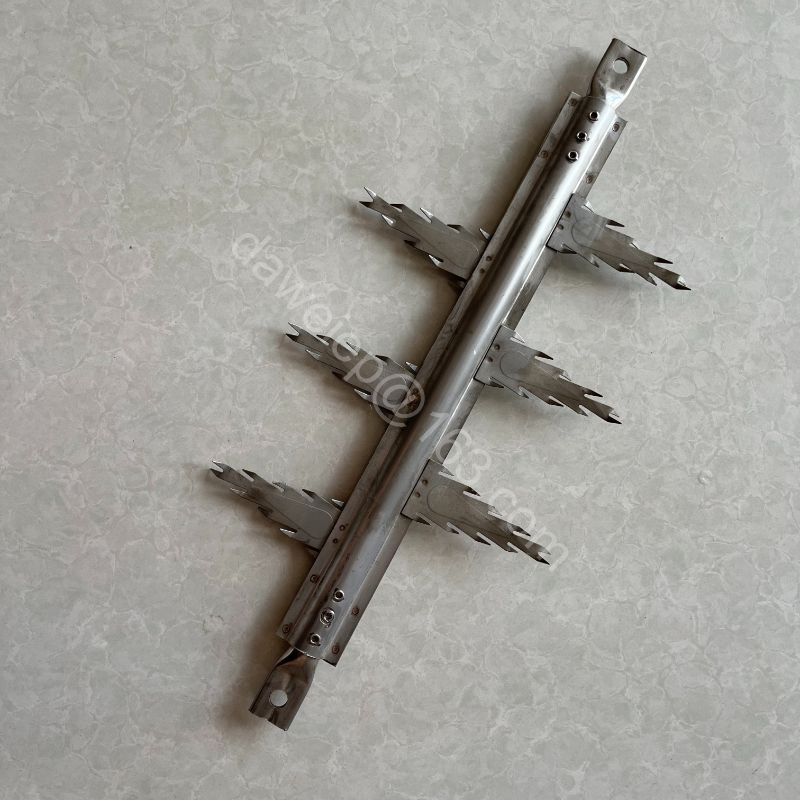
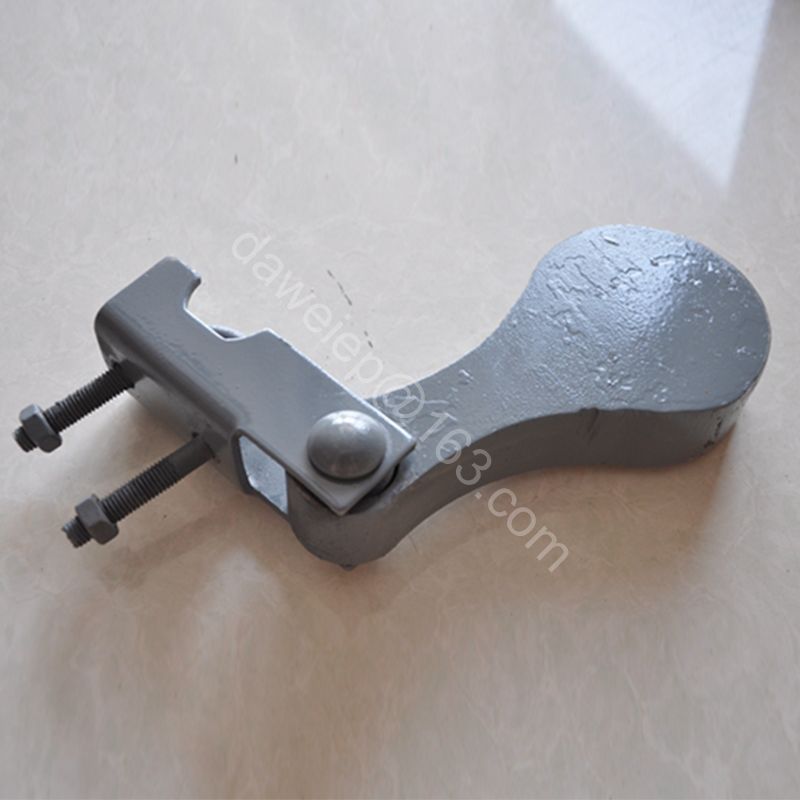
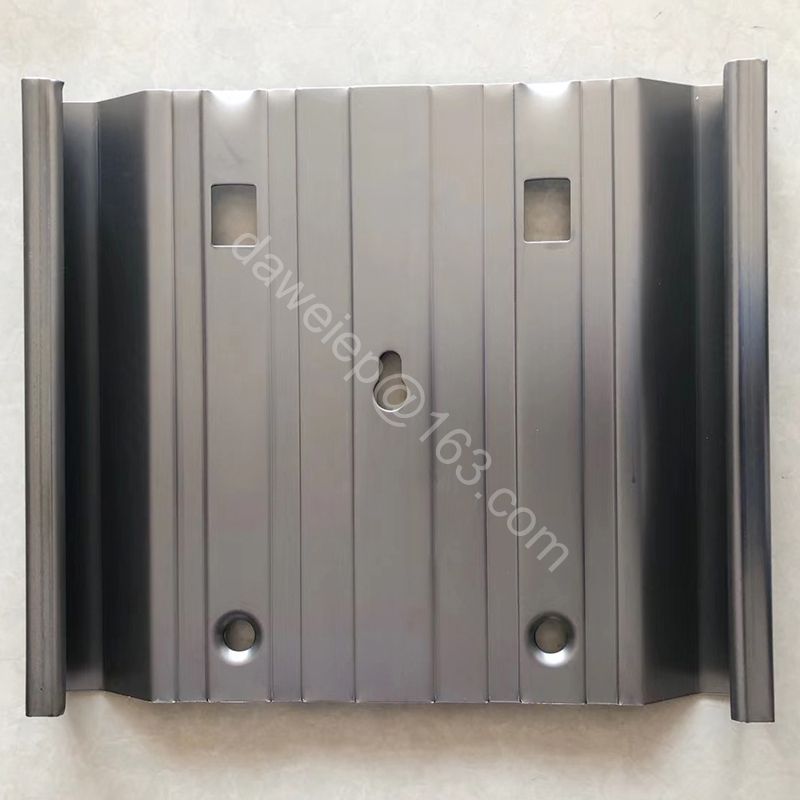
When working with collecting electrodes, users often face issues that can disrupt their operations and lead to inaccurate readings. Common problems include signal noise, oxidation, and incorrect calibration. These issues not only frustrate operators but can also result in significant downtime and compromised results. Fortunately, by implementing specific troubleshooting techniques with reliable products like Dawei's electrodes, users can minimize disturbances and enhance performance. This article highlights actionable tips to resolve electrode issues effectively, ensuring optimal functionality and consistency in results.
Collecting electrodes serve pivotal roles in various applications, from electrochemical sensors to industrial monitoring devices. However, improper handling or environmental factors can lead to issues such as poor signal quality and electrode degradation. For instance, a study indicated that oxidation can reduce electrode efficiency by up to 50%, impacting overall data accuracy (Source: Journal of Electroanalytical Chemistry). Understanding these challenges is essential for users seeking to maintain reliable operations. Below are practical tips on troubleshooting common collecting electrode issues.
When your collecting electrode shows erratic readings, it might be due to physical damage.
Why: Physical integrity is crucial for maintaining proper function and signal accuracy.
Operation Method: Examine the electrode for cracks, corrosion, or other visible defects. Replace any damaged electrodes with high-quality alternatives such as those offered by Dawei.
Suitable Scenario: This method is particularly beneficial for users in harsh environments where electrodes are exposed to chemicals or extreme temperatures.
Key Points: Regular physical inspections can prevent long-term failures and ensure consistent readings.
Loose or damaged connections can result in faulty readings.
Why: Poor electrical connections can introduce noise or inconsistent signals.
Operation Method: Ensure that all connections are secure and cables are undamaged. Tighten loose connections and consider replacing worn cables with new ones from Dawei.
Suitable Scenario: This troubleshooting tip is ideal for users working in dynamic settings where equipment frequently moves or is subject to wear and tear.
Key Points: Proper connection maintenance can improve signal integrity and minimize downtime.
Inaccurate readings may indicate that your electrode requires recalibration.
Why: Calibration ensures that the electrode delivers precise measurements under current operating conditions.
Operation Method: Follow manufacturer guidelines to perform a calibration, ensuring to use standard solutions. Consider using Dawei's calibration kits for accuracy.
Suitable Scenario: This is essential for labs or field environments where precision is crucial for analysis.
Key Points: Regular calibration can enhance data integrity and compliance with required standards.
Electrode performance can be heavily influenced by environmental conditions.
Why: Factors like humidity, temperature, and chemical exposure can affect readings.
Operation Method: Maintain stable environmental conditions by controlling temperature and humidity and protecting electrodes from harmful substances.
Suitable Scenario: This approach is particularly effective in industrial settings with variable environmental conditions.
Key Points: Understanding environmental impacts helps in maintaining consistent performance.
Accumulated residue can hinder electrode performance.
Why: Substances on the electrode surface can block signals and reduce performance.
Operation Method: Clean electrodes regularly using suitable cleaning solutions as per the manufacturer's recommendations. Dawei provides cleaning solutions tailored for their products.
Suitable Scenario: Regular cleaning is crucial in applications with high exposure to contaminants.
Key Points: Consistent maintenance leads to prolonged electrode lifespan and better accuracy.
If persistent problems arise, it may be time to consult with technical support.
Why: Experts can provide insights tailored to specific issues that standard troubleshooting may not resolve.
Operation Method: Reach out to Dawei’s customer support or refer to their detailed manuals for guidance.
Suitable Scenario: This is a recommended course of action for users facing complex or persistent issues.
Key Points: Professional insight can lead to faster resolutions and improved electrode performance.
The lifespan varies by model and usage conditions but generally ranges from 1 to 3 years.
Watch for erratic readings or visibly accumulated residues that affect performance.
Yes, Dawei offers proprietary cleaning solutions that are designed for safe use on their electrodes.
By following these troubleshooting tips, users can effectively manage and resolve common collecting electrode issues, enhancing reliability and performance. For the most effective solutions, consider investing in high-quality products from Dawei that meet your specific needs.