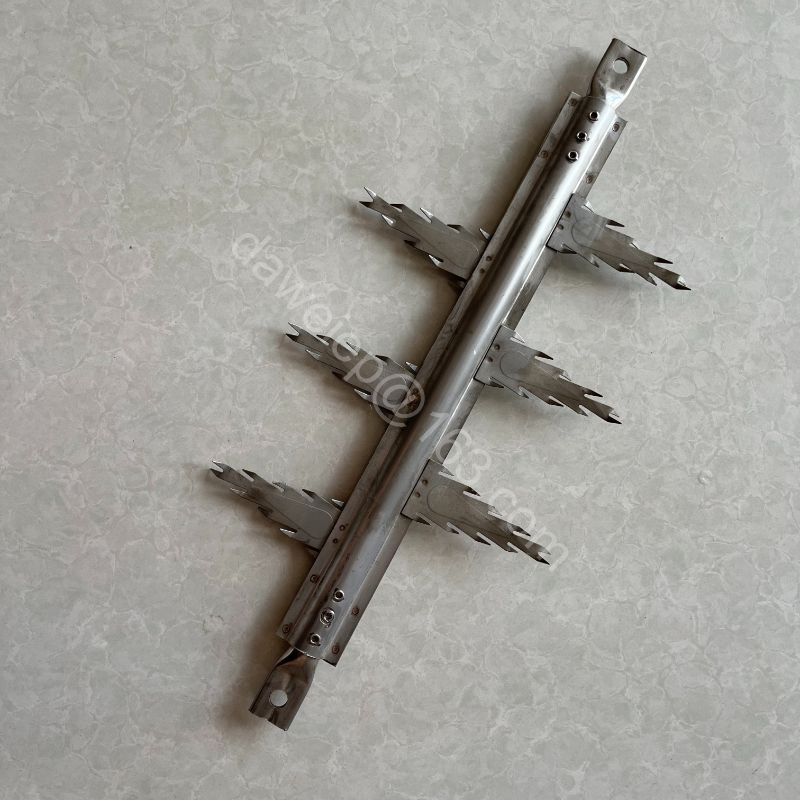
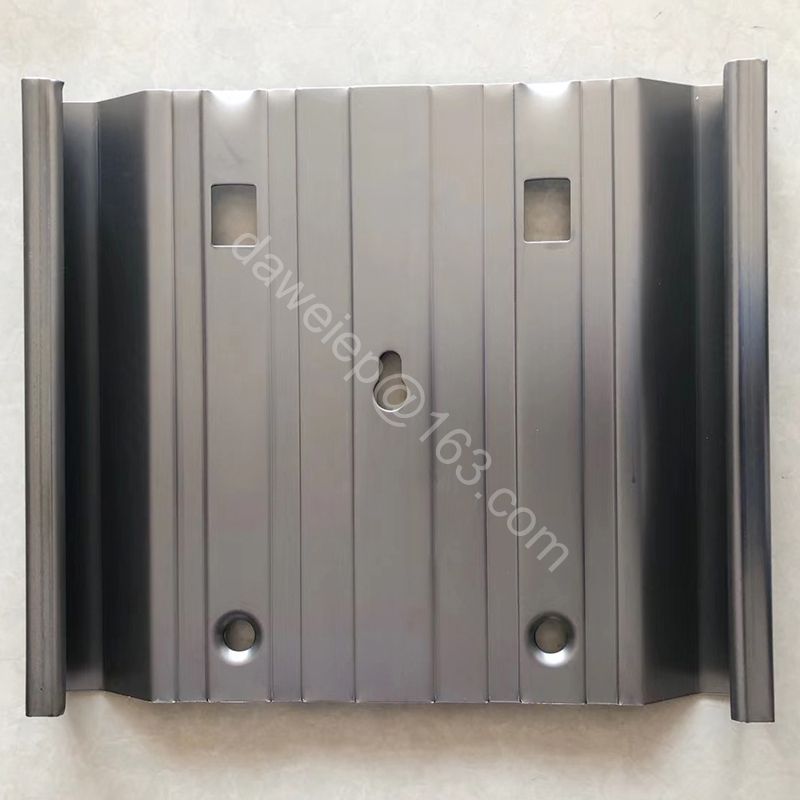
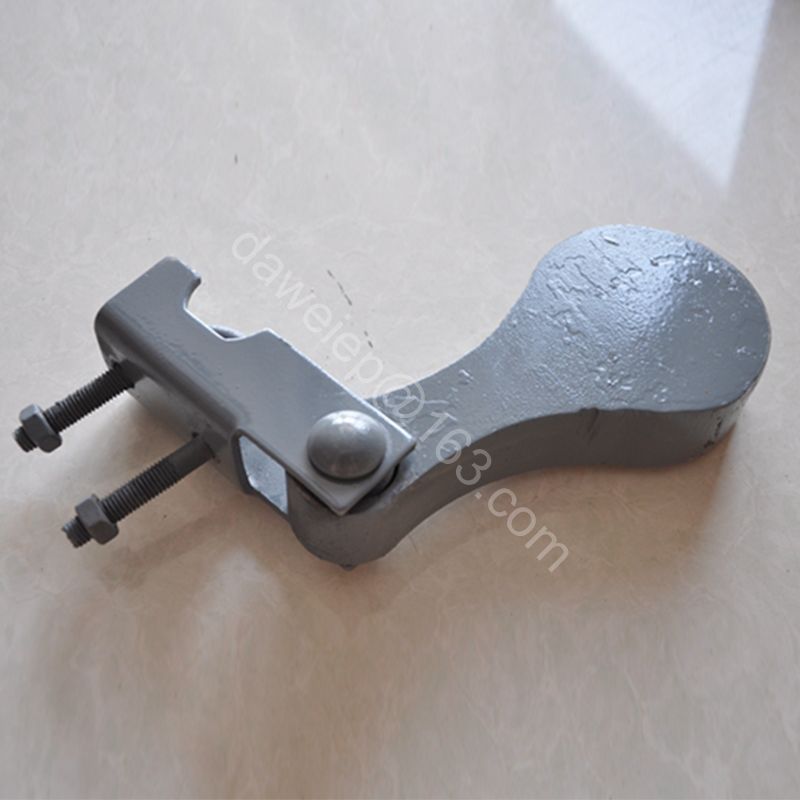
A collecting electrode is a device used in various applications, particularly in electrochemical systems, to gather current or signals. It plays a crucial role in how efficiently a system can convert energy or conduct measurements.
A mesh electrode consists of a network of conductive materials that facilitates the distribution of current across a larger area. This design is often used in applications requiring rapid response times and effective charge distribution.
| Parameter | Collecting Electrode | Mesh Electrode |
|---|---|---|
| Conductivity | Higher due to direct contact | Varies depending on mesh material |
| Surface Area | Limited by design | Increased due to mesh structure |
| Response Time | Moderate | Fast due to distributed nature |
| Durability | Standard | Higher due to robust structure |
Collecting electrodes typically offer longer battery life in stable conditions but may struggle with stability under fluctuating temperatures. In contrast, mesh electrodes can provide more consistent performance but may see reduced battery life in high-load scenarios.
Collecting electrodes are well-suited for applications requiring high conductivity, such as in pharmaceutical or analytical chemistry setups, where precision and simplicity are key.
Mesh electrodes are ideal for industries that demand rapid response times and enhanced durability, such as in renewable energy systems or heavy-duty industrial applications.
In summary, both collecting electrodes and mesh electrodes have distinct advantages and disadvantages that cater to different user needs. Understanding these differences can help businesses and technicians at Dawei make informed decisions when selecting the right electrode for their applications, ensuring maximum efficiency and performance.