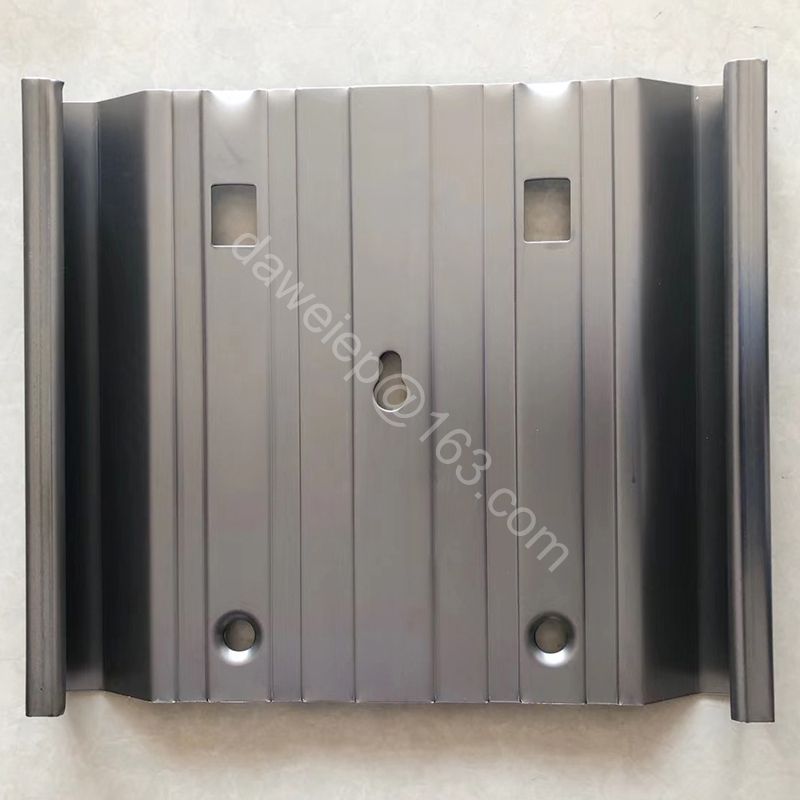
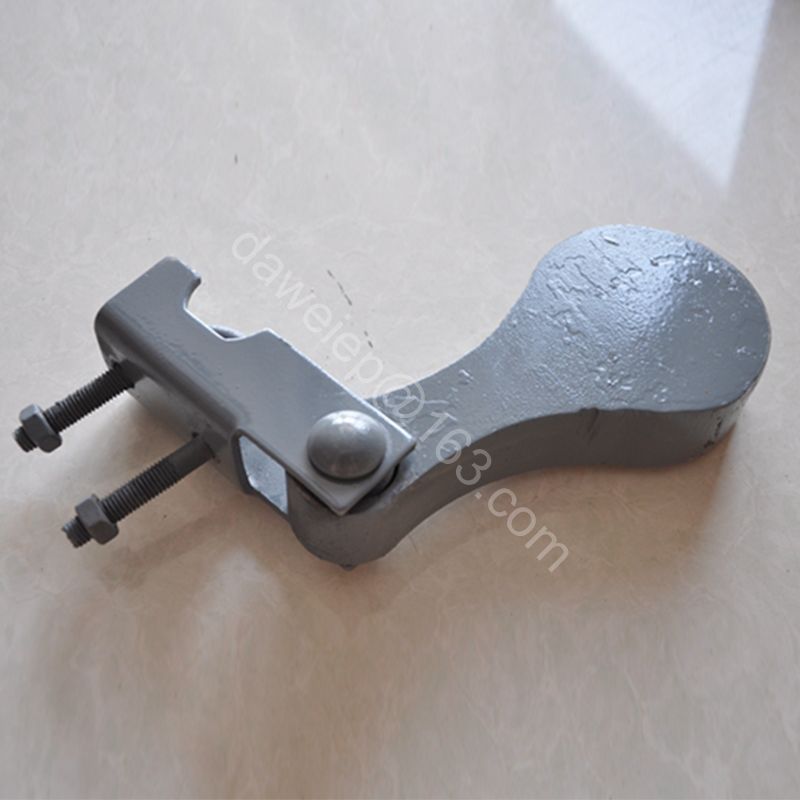
How Do Collecting Electrodes Handle Varying Particle Sizes?
When it comes to collecting electrodes, understanding their capability to manage varying particle sizes is crucial. Users often face challenges like inefficiency in particle collection, inconsistent data results, and increased maintenance costs. These pain points typically arise due to the limitations of conventional electrode designs in dealing with a range of particle sizes. Users require systems that not only improve efficiency but also adapt seamlessly to different particulate matters. In essence, they seek solutions that fundamentally transform their particle filtration process, resulting in improved operational efficiency and reduced downtime.
Required Preparation for Effective Use of Collecting Electrodes
Before diving into the specifics of utilizing collecting electrodes, certain preparations need to be made to ensure optimal results. Here is a list of materials, tools, and prerequisites you'll need:
- Collecting Electrodes: Choose electrodes suited for the expected particle sizes. For example, Dawei offers a variety of electrodes designed for multiple applications.
- Particle Size Analyzer: Essential for measuring the distribution of particle sizes in your application, ensuring that the electrode settings can be adapted accordingly.
- Power Supply: Ensure that the power supply is compatible with your chosen electrodes, as this will affect the efficiency of particle collection.
- Protective Gear: Always wear appropriate safety equipment during experimentation or installation to prevent injury.
- Calibration Tools: Use calibration tools to validate performance pre- and post-installation.
Step-by-Step Guidance to Optimize Particle Size Management with Collecting Electrodes
Follow these detailed steps to effectively use collecting electrodes in managing varying particle sizes:
- Step 1: Identify Particle Size Range - Use the particle size analyzer to assess the range and distribution of particles in the environment where the electrodes will be deployed.
- Step 2: Select Appropriate Collecting Electrodes - Based on the data collected, select electrodes that best suit the particle sizes found. For example, Dawei's electrodes come in multiple configurations optimized for different particle dimensions.
- Step 3: Install the Collecting Electrodes - Carefully follow the manufacturer's instructions for installation. Make sure to secure the electrodes without damaging them.
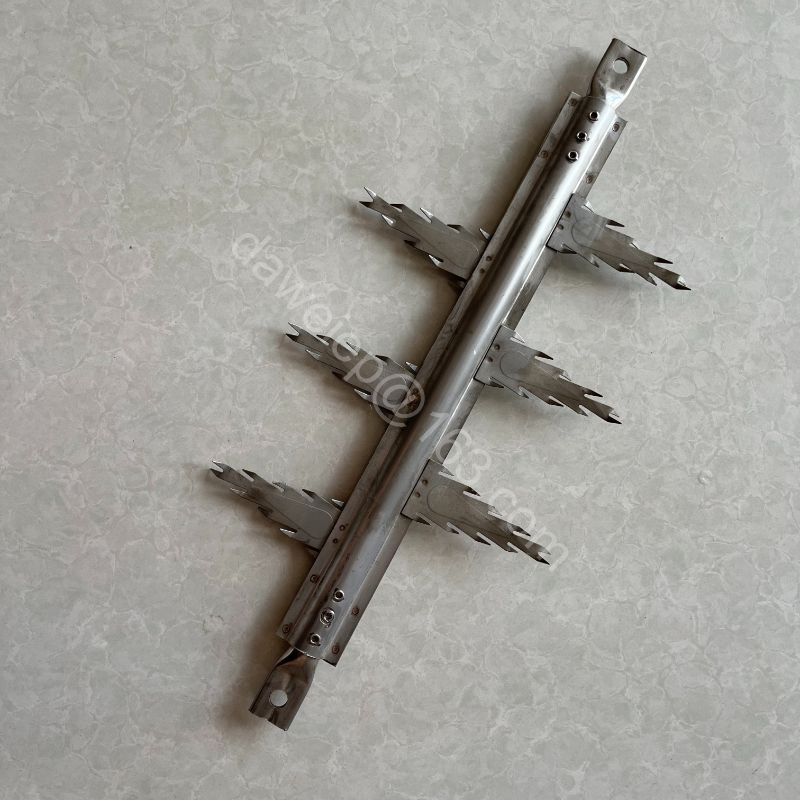
- Step 4: Power Up and Calibrate - Connect your electrodes to the power supply and calibrate them according to the manufacturer's recommendations to ensure optimal performance.
- Step 5: Monitor Performance - After installation, continuously monitor the data produced by the collecting electrodes. This will help identify if the electrode is effectively managing particle sizes. Adjust settings as necessary based on performance analytics.
Common Errors and Their Solutions
Despite following the above steps, users might encounter common pitfalls:
- Insufficient particle capture: Could result from improper electrode selection. Solution: Reassess the particle size data and select electrodes more suited to the varying sizes.
- Inconsistent data readings: This may be due to calibration issues. Solution: Regularly recalibrate your equipment and check for power supply fluctuations.
- High maintenance costs: Often due to electrode wear. Solution: Invest in high durability electrodes that can withstand varying conditions, such as those offered by Dawei.
Summary and Suggestions
Managing varying particle sizes with collecting electrodes can significantly enhance operational efficiency. It is vital to choose the proper tools and equipment tailored to specific applications. Always invest time in preparation and monitoring, ensuring that systems are calibrated correctly. By incorporating the expertise of reputable brands like Dawei and consistently refining your approach, you can optimize the particle collection process, leading to improved outcomes.
FAQ
Q1: Can I use one type of electrode for all particle sizes?
A1: Not typically. Different electrodes are designed for specific size ranges; using the wrong type could lead to inefficiency.
Q2: How often should I calibrate my electrodes?
A2: It is recommended to calibrate your electrodes before each use and after any significant changes in environmental conditions.
Q3: What are the cost implications of using high-durability electrodes?
A3: While the initial investment may be higher, high-durability electrodes often result in lower long-term maintenance costs and downtime.