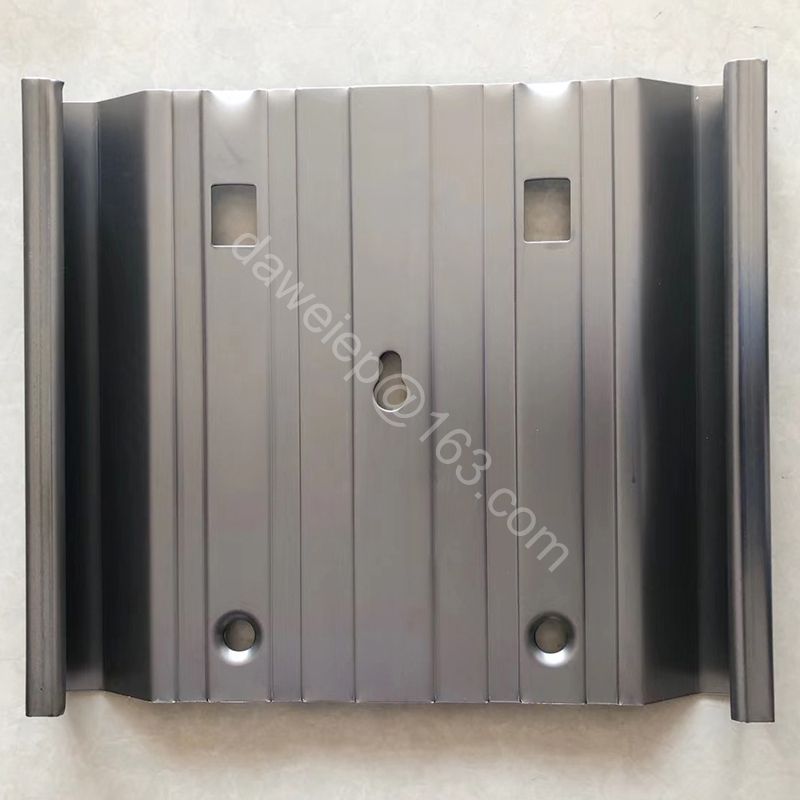
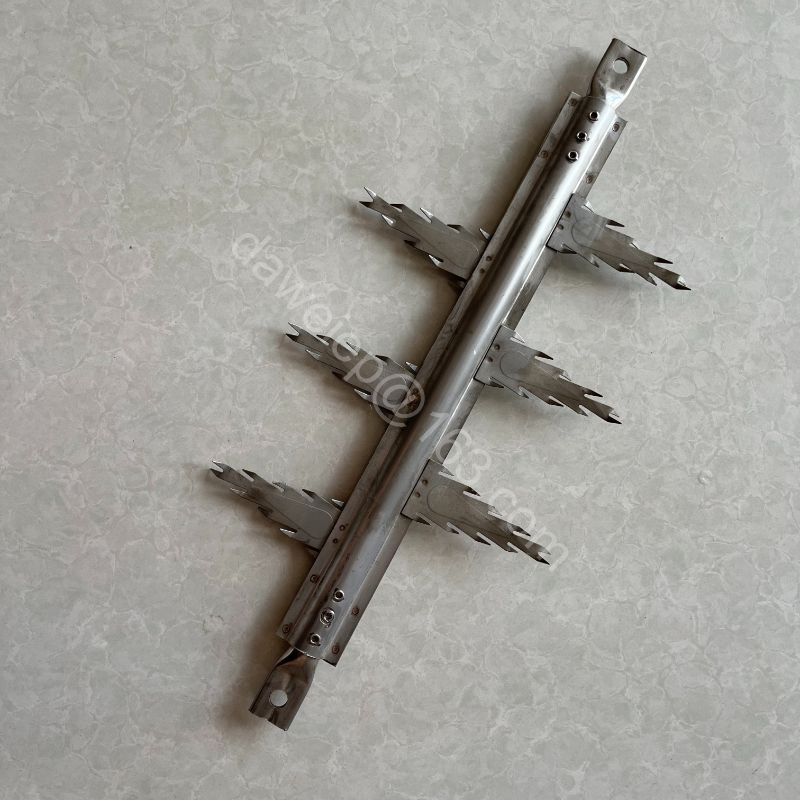
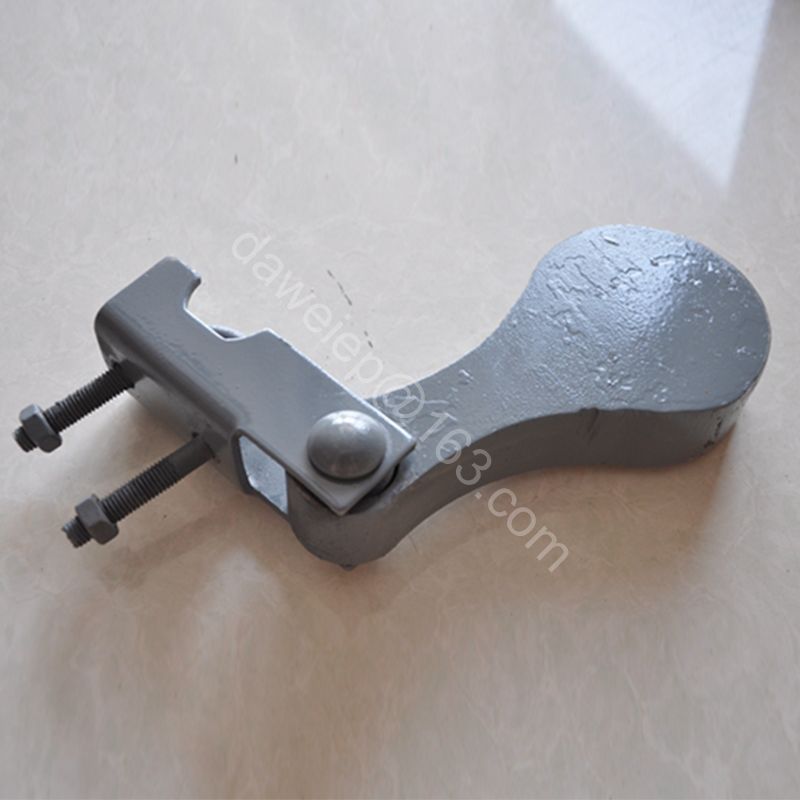
Collecting electrodes play a crucial role in ensuring accurate measurements in various applications. Regular cleaning and timely replacement are essential to prevent inaccuracies and maintain optimal performance.
Before you begin cleaning, ensure you have the following tools:
Using distilled water, gently rinse the electrode to remove any surface contaminants. Be careful not to scrub hard as this may damage sensitive components.
Follow manufacturer instructions to prepare an appropriate cleaning solution for your Collecting Electrode type. Ensure the solution is compatible to avoid chemical damage.
Submerge the electrode in the cleaning solution for the recommended time (usually 10-15 minutes). This helps to dissolve residues built up over time.
Using a soft brush or cotton swab, gently scrub the electrode's surface to remove any remaining residues. Rinse thoroughly afterward with distilled water.
Dry the electrode using a lint-free cloth. Ensure it is completely dry before storage or use to prevent contamination.
Look for these signs to determine if it's time to replace your collecting electrode:
Regularly check the electrode's performance against calibration standards to verify its accuracy. If discrepancies occur, consider replacement.
Inspect the electrode for any signs of wear and tear. Damaged electrodes should be replaced immediately to ensure reliable results.
Always follow the specific cleaning and replacement instructions provided by the manufacturer to prevent damaging your electrode.
Using a cleaning solution too frequently can wear down the electrode material. Ensure you only clean when necessary.
After cleaning or replacing an electrode, always calibrate it to maintain measurement accuracy.
In summary, proper cleaning and maintenance of collecting electrodes are essential for accurate measurements in your applications. Remember to follow the detailed steps outlined above, and address any signs of performance decline promptly. For quality electrodes and maintenance supplies, consider Dawei for your needs.