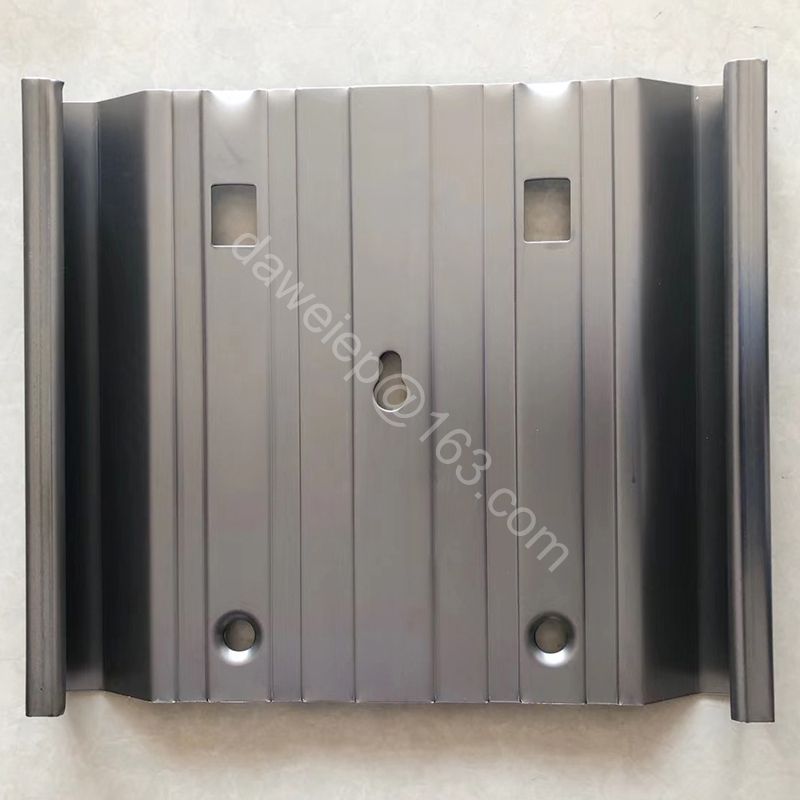
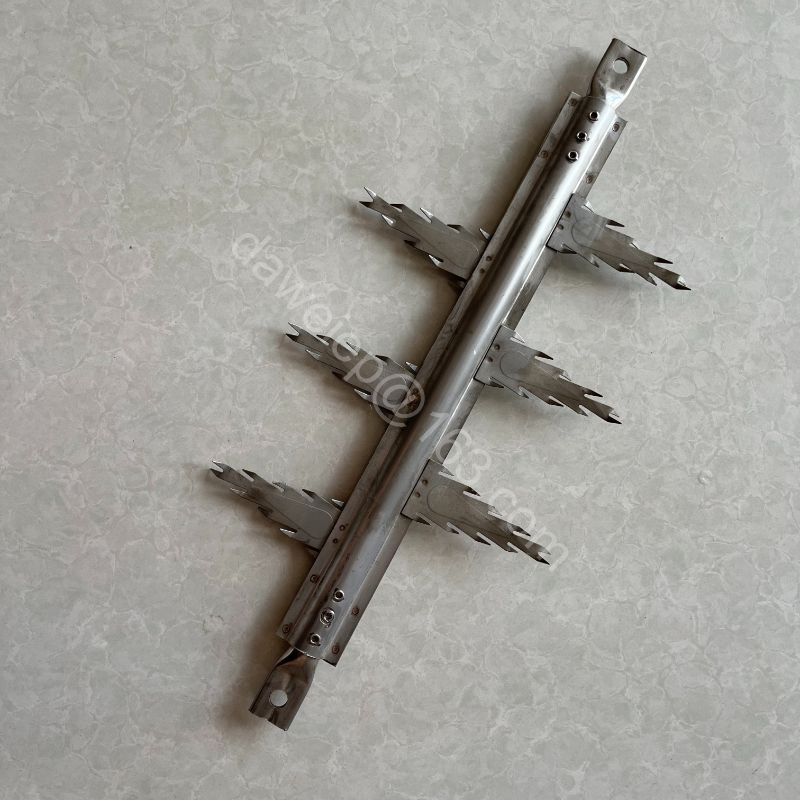
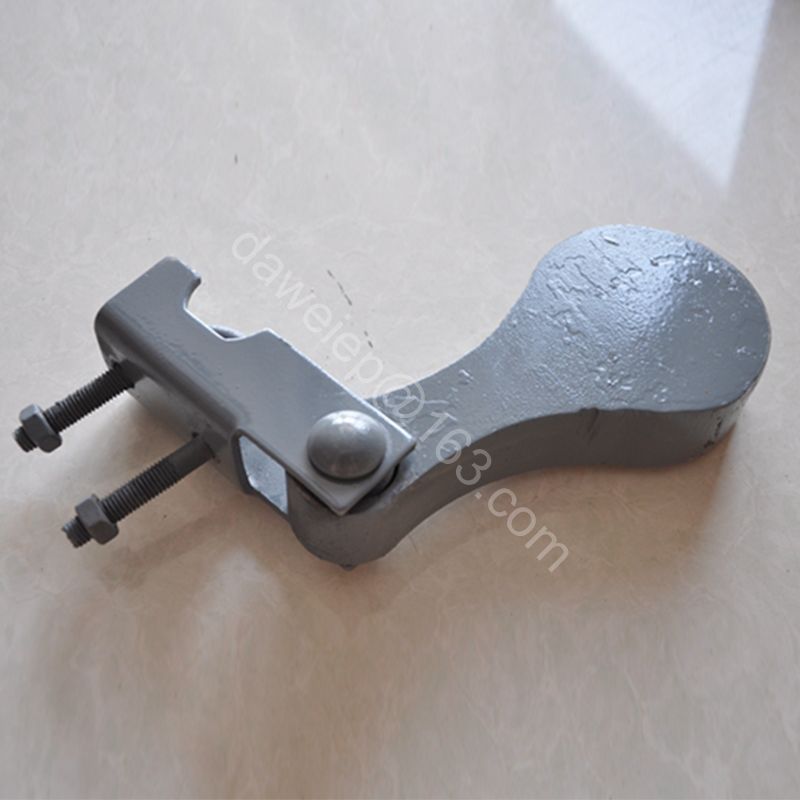
Electrode collectors are essential in various electrochemical applications, including batteries, sensors, and fuel cells. However, many users overlook the significant impact that environmental conditions—like temperature, humidity, and even atmospheric pressure—can have on their performance. Users often report issues like decreased efficiency, corrosion, and inconsistent results. For instance, researchers using Dawei collecting electrodes in varying humidity levels found that changes over 10% led to performance drops of up to 20%. Understanding these challenges and how to adapt can significantly improve efficiency and results.
Different environmental factors play crucial roles in the functionality of collecting electrodes. Temperature affects ionic conductivity, humidity exacerbates corrosion, and atmospheric pressure can influence gas diffusion in electrochemical cells. To help you navigate these complexities, we will delve into the specific ways these factors interact with Collecting Electrode functionality and provide user stories for context.
Consider the case of Sarah, a researcher at a university laboratory. Sarah experienced a 30% drop in output efficiency when she moved her experiments from a controlled lab environment to a basement with higher humidity levels (over 70%). After switching to Dawei electrodes specifically designed to handle such conditions, her efficiency rebounded to pre-move levels.
Before diving into the steps to optimize your collecting electrodes under various environmental conditions, ensure you have the following materials ready:
Before conducting any experiments, measure the current temperature and humidity. Aim to maintain stable conditions, ideally between 20-25°C and 40-60% humidity for optimal performance.
For environments prone to high humidity or temperature fluctuations, choose Dawei's electrodes rated for those specific conditions. For example, Dawei’s hydrophobic collecting electrodes resist the adverse effects of moisture, reducing corrosion risk.
Regularly track your environmental conditions using a data logger, which can provide real-time insights. This step is crucial for identifying trends or sudden shifts that could affect performance.
Based on your environmental monitoring results, make necessary adjustments, like insulating equipment to reduce temperature fluctuation or using silica gel packets to control humidity near your setup.
Conduct controlled tests to evaluate the impact of your adjustments. Collect data on performance metrics such as voltage output and efficiency over a set timeframe (e.g., weekly). Aim for consistent readings; deviations more than 5% might demand reevaluation of environmental controls.

Here are some typical errors users make in managing environmental conditions along with solutions:
Environmental conditions significantly affect collecting electrodes, impacting performance and efficiency. By understanding these impacts and making appropriate choices—like utilizing Dawei electrodes designed for specific conditions—you can enhance your results considerably. Remember to monitor, assess, and adjust continuously for the best outcomes!