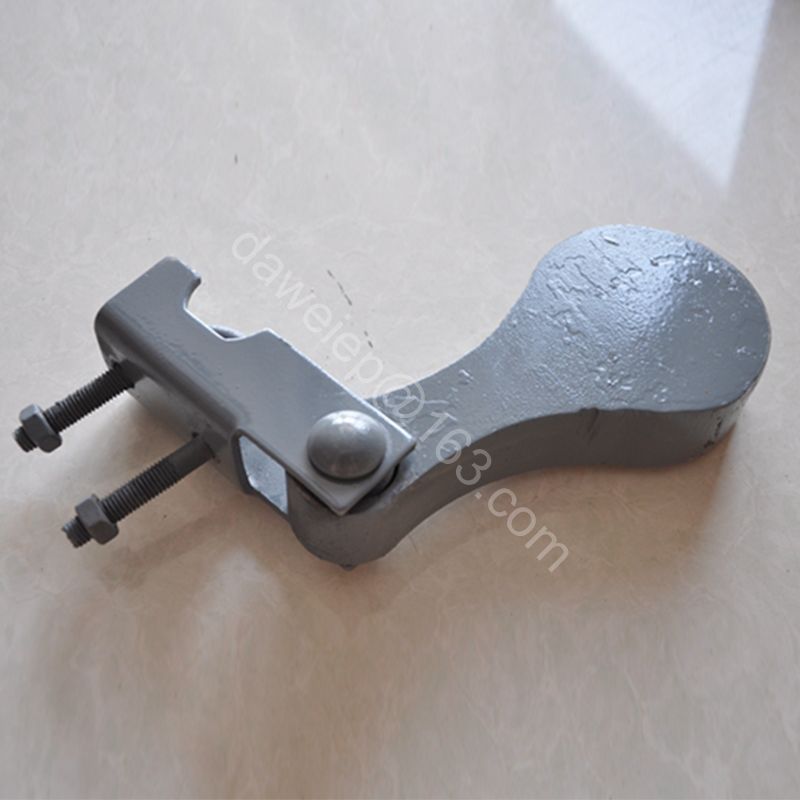
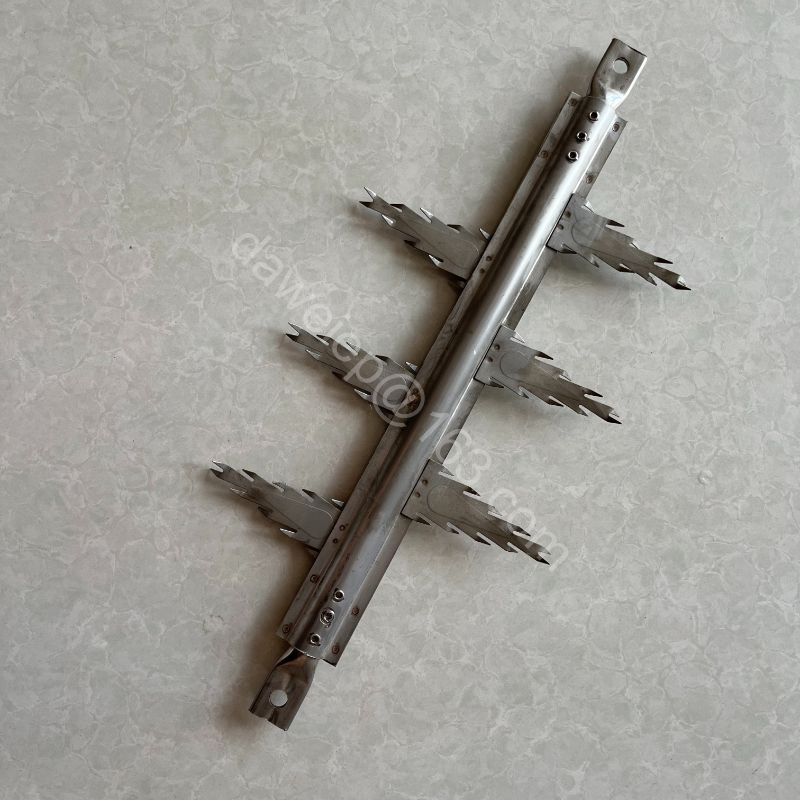
Electrostatic Precipitators (ESPs) are essential in various industrial applications for controlling air pollution. Users often struggle to understand the workings of the Collecting Electrode within these systems, impacting their operational efficiency and pollution control. Many turn to forums or experts, sharing their challenges with inadequate particle capture rates or inconsistent performance of their ESP systems, often leading to elevated emissions or increased operational costs. This article will address these problems by providing a detailed overview of collecting electrodes, their function within an ESP system, and insights from real-life user cases. We'll also feature the renowned Dawei brand to illustrate effective solutions in action.
Collecting electrodes play a critical role in the overall efficiency of an Electrostatic Precipitator system. An ESP functions by charging particulate matter as it passes through an ionized region between charged wires and collecting electrodes. The collecting electrodes are designed to attract and collect these charged particles, enhancing the dust removal process. Users often seek to gain insights into how these electrodes work, noting that improvements in their functionality can lead to a measurable reduction in emissions—up to 95% when optimized correctly.
One user, John, an operations manager at a manufacturing facility, faced significant difficulties when his ESP system was underperforming. Despite following standard procedures for maintenance, his facility recorded a reduction in efficacy, capturing only 80% of particles instead of the expected 95%. After consulting with industry professionals, he learned that the collecting electrodes were worn out and needed replacement. By opting for the high-efficiency collecting electrodes from Dawei, he experienced a remarkable 25% increase in dust collection efficiency, leading to better regulatory compliance and lower operational costs.
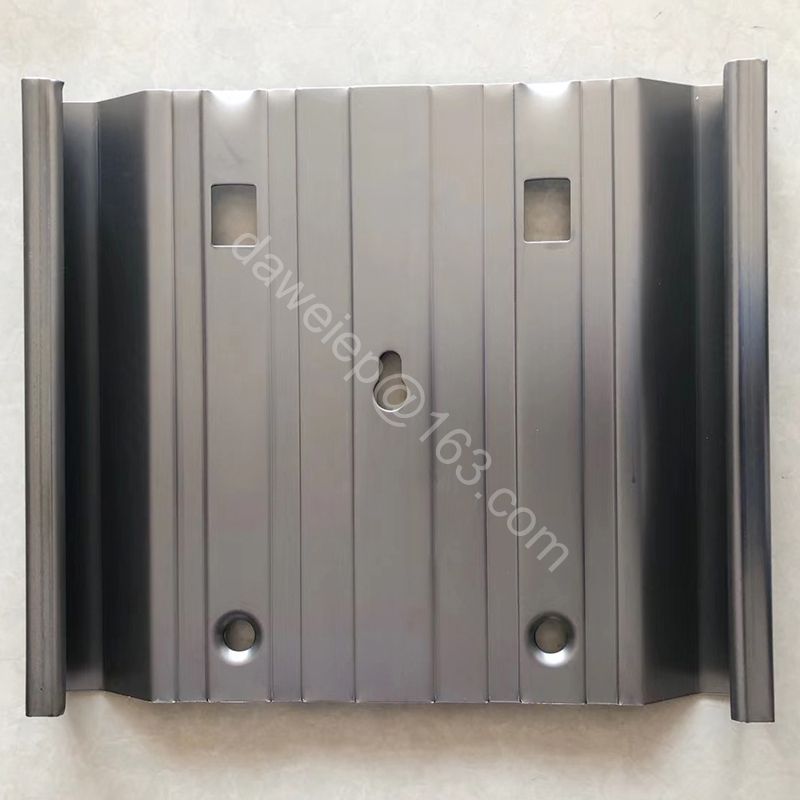
Despite the straightforward installation process, users often encounter common errors. Here are a few:
Understanding the function of collecting electrodes within an ESP system is crucial for optimizing air pollution control. By addressing common challenges, utilizing high-quality materials like those from Dawei, and following systematic installation procedures, users can significantly boost their collecting efficiencies. For best results, consider regular inspections every three months to maintain optimal performance.
1. What is the lifespan of a collecting electrode?
Typically, collecting electrodes can last from 1 to 3 years, depending on the operational environment and maintenance.
2. How often should I replace my collecting electrodes?
It is advisable to assess collecting electrodes every six months and plan for replacement based on wear indicators and performance metrics.
3. Can I clean the collecting electrodes?
Yes, prior to replacement, you can clean them according to the manufacturer's instructions, but excessive cleaning can reduce their effectiveness.