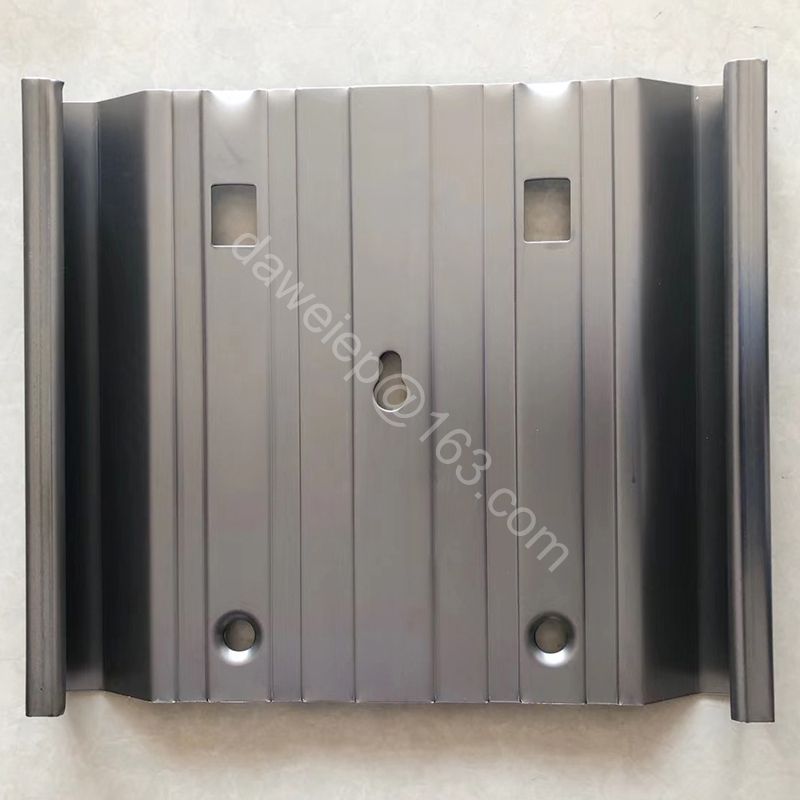
In recent years, collecting electrodes have gained significant attention in various scientific and industrial applications. These critical components play a vital role in electrochemical processes, energy storage systems, and even medical devices. With the increasing demand for efficient energy solutions and precision measurements, the significance of collecting electrodes has never been higher. This article will explore the definition, application scenarios, advantages, and the factors influencing their design to provide a comprehensive understanding of this subject.

Collecting electrodes, often referred to as current collectors, are conductive materials that serve a crucial function in electrochemical cells. These components help in gathering and transmitting electric current efficiently during various chemical reactions. Materials used for collecting electrodes typically include metals like copper or aluminum, chosen for their high conductivity and durability.
The design of collecting electrodes significantly impacts their performance, as factors such as surface area, thickness, and material composition can alter current efficiency. An effective Collecting Electrode can maintain a consistent conductivity, ensuring optimal electrochemical reactions occur without significant losses.
Collecting electrodes find extensive application across a wide range of industries:
Batteries: They are fundamental in lithium-ion and lead-acid batteries, facilitating efficient charge and discharge cycles. According to a report by Statista, in 2022, the global lithium-ion battery market size was valued at approximately $46 billion and is projected to grow at a CAGR of 17.7% between 2023 and 2030.
Fuel Cells: In fuel cell technology, collecting electrodes are vital for collecting electrons generated from fuel reactions, enabling clean energy conversion.
Sensors: Electrochemical sensors utilize collecting electrodes for accurate monitoring of various environmental and biological parameters. The global electrochemical sensor market is expected to reach $22.51 billion by 2025, growing from $16.65 billion in 2018, according to industry research.
Medical Devices: In the medical field, collecting electrodes are employed in devices like ECG machines that monitor heart activity, showcasing their versatility and importance.
The importance of collecting electrodes rests heavily on their benefits, particularly in enhancing the efficiency and lifespan of electrochemical systems. Some key advantages include:
The design of collecting electrodes is influenced by several factors, including:
Material Selection: The choice of conductive materials impacts conductivity and corrosion resistance. Researchers at the University of California reported that using graphene-based materials can improve electron transfer rates by up to 50%.
Surface Area: A larger surface area of the electrode translates to improved performance, as it allows for more significant interaction with the electrolyte.
Thickness: The thickness of the electrode can affect its mechanical strength and conductivity. Ideally, a balance must be struck between durability and efficiency.
To maximize the benefits of collecting electrodes, it is essential to refer to the user guides and technical specifications provided by manufacturers. Companies like Dawei offer extensive resources and customer support for those looking to deepen their understanding or initiate a trial with their collecting electrodes.
Q1: What materials are commonly used for collecting electrodes?
A1: Common materials include copper, aluminum, and graphite, chosen for their excellent conductivity and mechanical properties.
Q2: How can I improve the performance of my electrochemical cells?
A2: Ensuring the use of high-quality collecting electrodes with optimal design factors (surface area, material, and thickness) will enhance performance.
Q3: Where can I learn more about collecting electrodes?
A3: Further information is available in specialized literature and from manufacturers like Dawei, who offer detailed guides on their product offerings.
In conclusion, understanding collecting electrodes, their design, and application scenarios is crucial for anyone involved in electrochemical technologies. By optimizing these components, we can greatly enhance the efficiency and reliability of modern energy solutions.