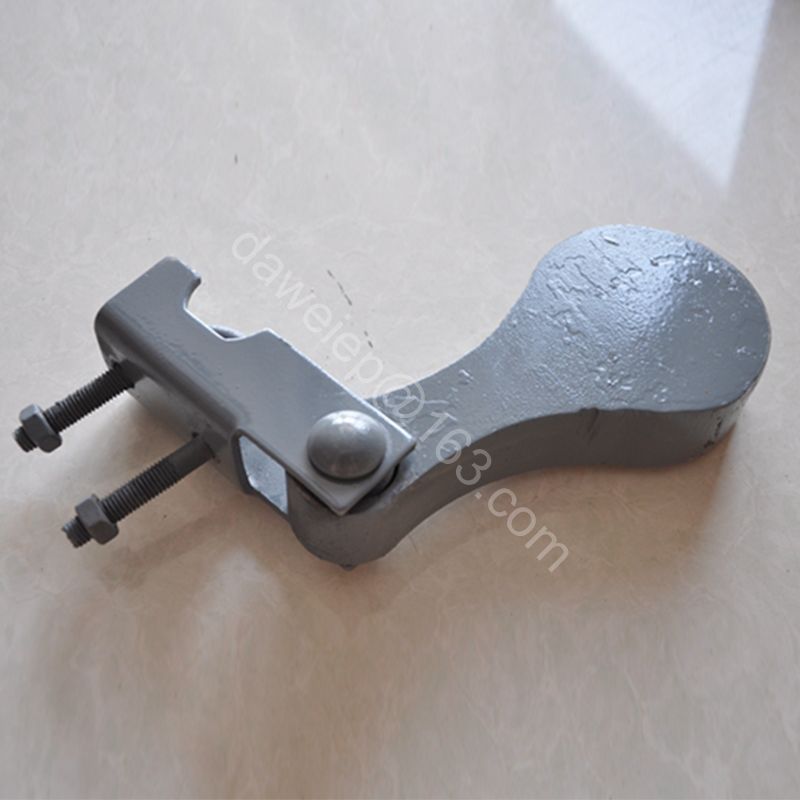
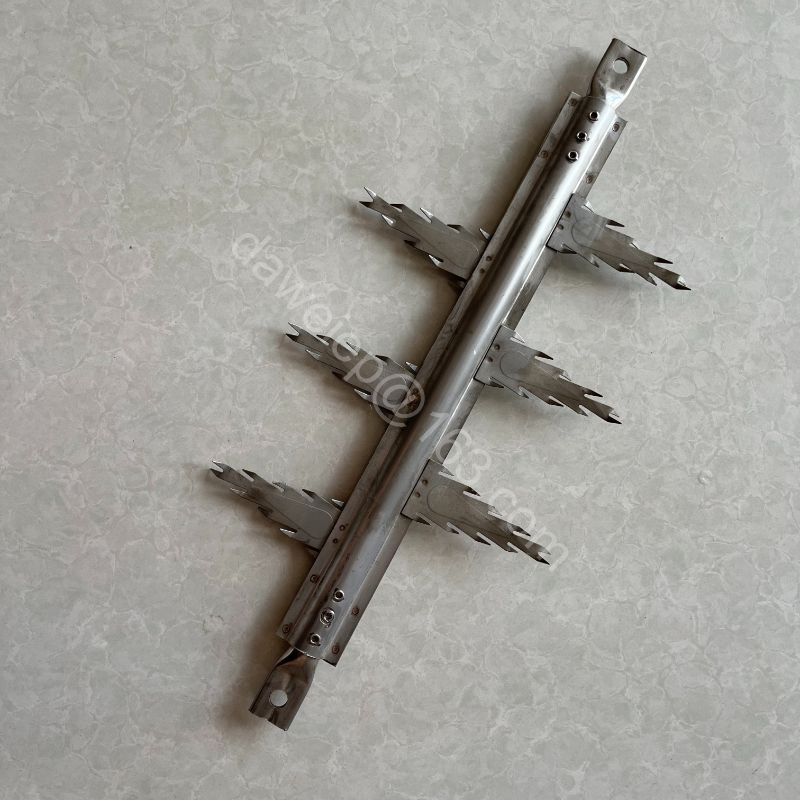
In industrial settings, air pollution control is paramount, and one essential component in this effort is the Collecting Electrode found in electrostatic precipitators (ESPs). Collecting electrodes play a critical role in capturing particulate matter from flue gases, helping facilities comply with emission regulations and maintain air quality standards. With increasing global emphasis on environmental sustainability, the demand for efficient air filtration systems has rendered the development of advanced collecting electrode technologies essential. This article will explore the functionalities, applications, and advantages of collecting electrodes, along with actionable guidance for industry professionals.
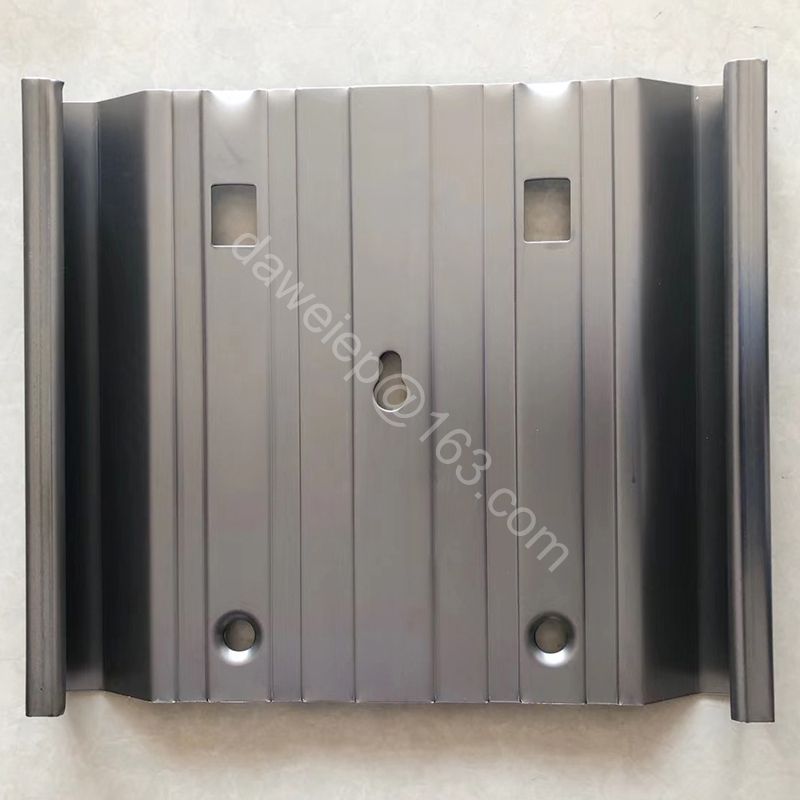
Collecting electrodes in electrostatic precipitators are conductive plates that attract and collect charged particulate matter from gas streams. When dust particles are charged and pass through the electric field generated by an ESP, they adhere to these electrodes, which can be cleaned periodically to maintain efficiency. This technology relies on direct current (DC) to ionize air, allowing for the effective separation of pollutants.
Collecting electrodes find various applications across multiple industries, including:
The significance of collecting electrodes lies in their efficiency and environmental benefits. Data shows that modern ESPs with optimized collecting electrodes can remove up to 99% of particulate matter, significantly reducing pollutants emitted into the atmosphere. This high efficiency leads to compliance with stringent regulations set by environmental agencies, resulting in cost savings associated with fines and operational penalties. Moreover, regular maintenance of electrodes can lead to an increase in operational lifespan, with some systems reported to operate efficiently for over 20 years without significant deterioration.
For professionals looking to implement or upgrade their electrostatic precipitator systems, it is essential to review the user guide provided by manufacturers like Dawei. This guide outlines best practices for installation, maintenance, and optimization of collecting electrodes for maximum efficiency.
Q: How often should collecting electrodes be cleaned?
A: Cleaning frequency can vary based on the specific application and operational conditions, ranging from daily to monthly inspections.
Q: Are there alternatives to electrostatic precipitators for air pollution control?
A: Yes, options such as fabric filters and scrubbers exist, but electrostatic precipitators often provide superior efficiency for particulate removal.
Q: What is the installation process for an electrostatic precipitator?
A: Installation typically involves assessing the existing gas stream conditions, selecting an appropriate size and configuration for the ESP, and following manufacturer guidelines for attachment and electrical connections.
For those keen on further understanding the nuances of air quality control solutions, we recommend delving into comprehensive resources or seeking trials of advanced systems, including those offered by Dawei to ensure the most effective air pollutant management strategies are employed in your operations.