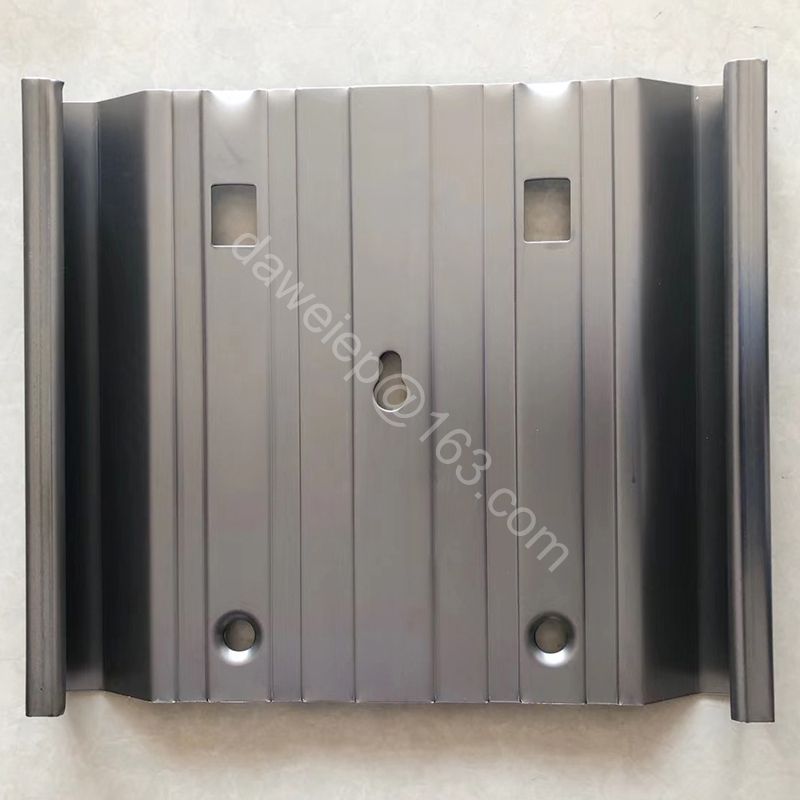
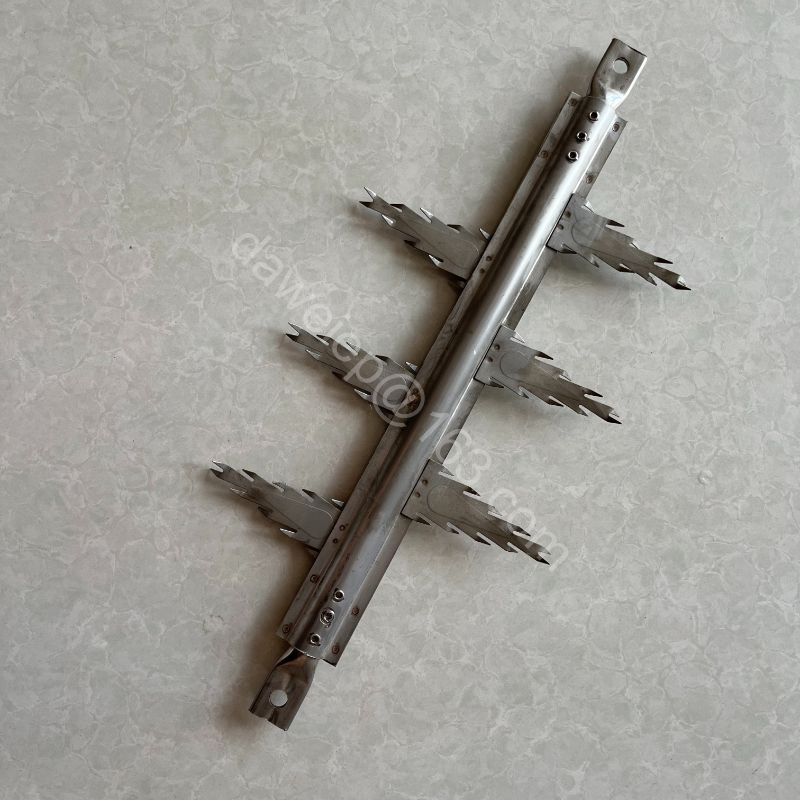
In the fast-evolving world of energy solutions, collecting electrodes have emerged as a crucial component in various industries. Their role creates a balance between efficiency and efficacy, particularly in energy storage systems like batteries and supercapacitors. Collecting electrodes, which serve to gather and transmit electrical energy, are key players in applications ranging from electric vehicles (EVs) to portable electronics. Understanding their lifespan is vital for both manufacturers and consumers to ensure optimal performance and reduce operational costs effectively.
The lifespan of collecting electrodes can directly impact system performance. Estimates show that in lithium-ion batteries, for instance, electrodes may significantly degrade after approximately 1,500 charge cycles, which in practical terms can translate to about 3 to 5 years of effective use depending on the charging habits. As energy storage demands continue to rise, it’s essential to understand the various factors that contribute to electrode longevity to avoid premature failures and maximize energy efficiency.
A collecting electrode is an essential component within electrochemical cells that facilitates the collection of electrons during redox reactions. In simpler terms, it acts as a bridge that allows electricity generated from chemical reactions to flow out of the cell, whether that’s in batteries, fuel cells, or supercapacitors. Industry terms associated with collecting electrodes include "current collectors," "electrochemical stability," and "conductivity," each defining specific characteristics critical to their functionality.
Collecting electrodes find application in several fields, including:

The importance of collecting electrodes cannot be overstated. Here are some key advantages:
Given these points, the choice of collecting electrodes directly correlates with performance and operational costs.
To further understand the significant role of collecting electrodes in your application, we suggest referring to the user guide provided by your device's manufacturer. Exploring detailed specifications and maintenance tips will enable you to maximize your investment in energy solutions. For exploring reliable brands in the market, consider looking into Dawei, which has made strides in producing high-quality collecting electrodes.
1. What factors influence the lifespan of a collecting electrode? The lifespan of a collecting electrode can be influenced by factors such as the material used, environmental conditions, and the frequency of charge and discharge cycles.
2. How can I maximize the lifespan of collecting electrodes in my battery? Proper charging practices, avoiding extreme temperatures, and regular maintenance can significantly enhance the longevity of collecting electrodes.
3. Are there specific brands known for producing high-quality collecting electrodes? Dawei is a well-regarded brand in the industry, known for its durable and efficient collecting electrodes.
4. What kind of performance improvement can I expect from upgrading my collecting electrodes? Users have reported up to a 30% increase in battery life and performance from upgrading to high-quality collecting electrodes.
5. Where can I find more information on collecting electrodes? You can refer to specialized journals, industry reports from sources like CoinDesk, and user guides provided by manufacturers for comprehensive insights.
For an in-depth understanding, consider further reading about the advances made in electrode technology or exploring trial products from reputable brands to assess their effectiveness first-hand.