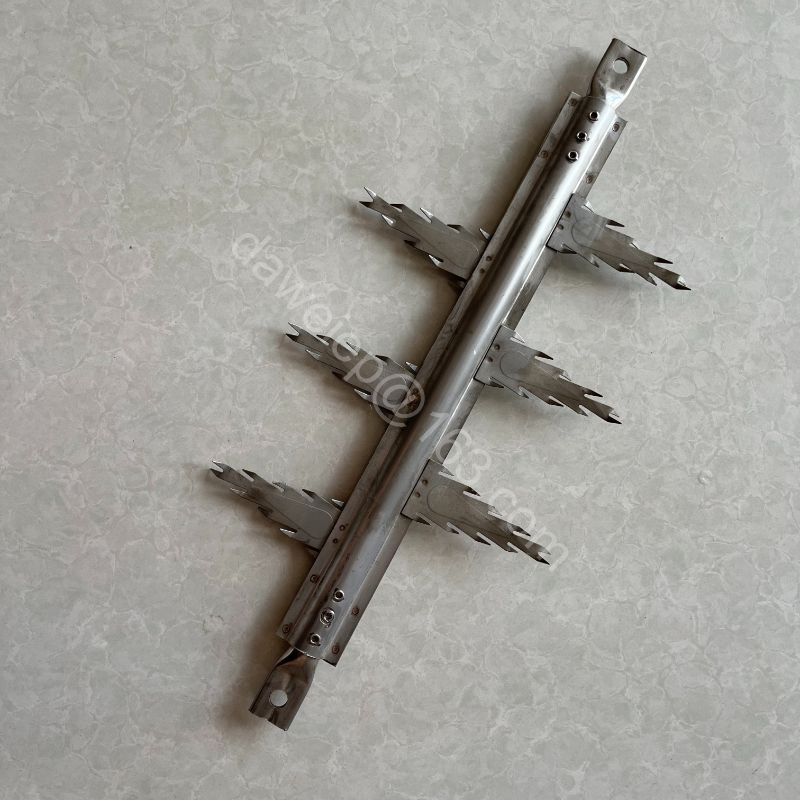
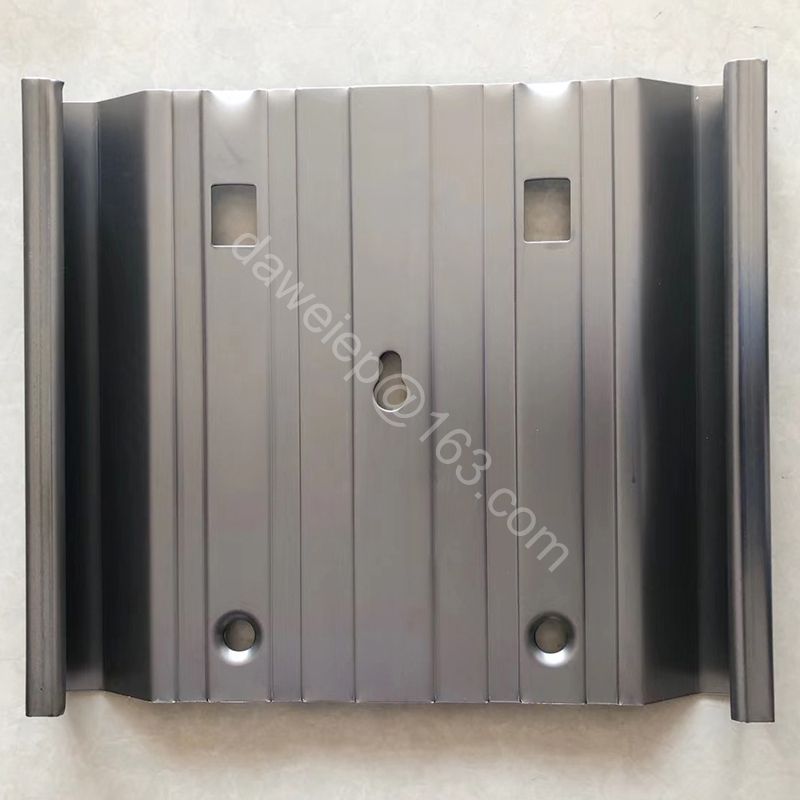
In the realm of electrochemical applications, collecting electrodes are crucial components that significantly influence the efficiency of energy conversion processes. As energy demands rise globally, the effectiveness of these electrodes can directly impact the performance of various technologies, from batteries to fuel cells. The emergence of advanced Collecting Electrode designs and materials aims to tackle pressing industry challenges while enhancing system performance. By addressing common pain points such as poor conductivity and rapid degradation, these advancements provide practical solutions and improve overall user experience in energy systems.
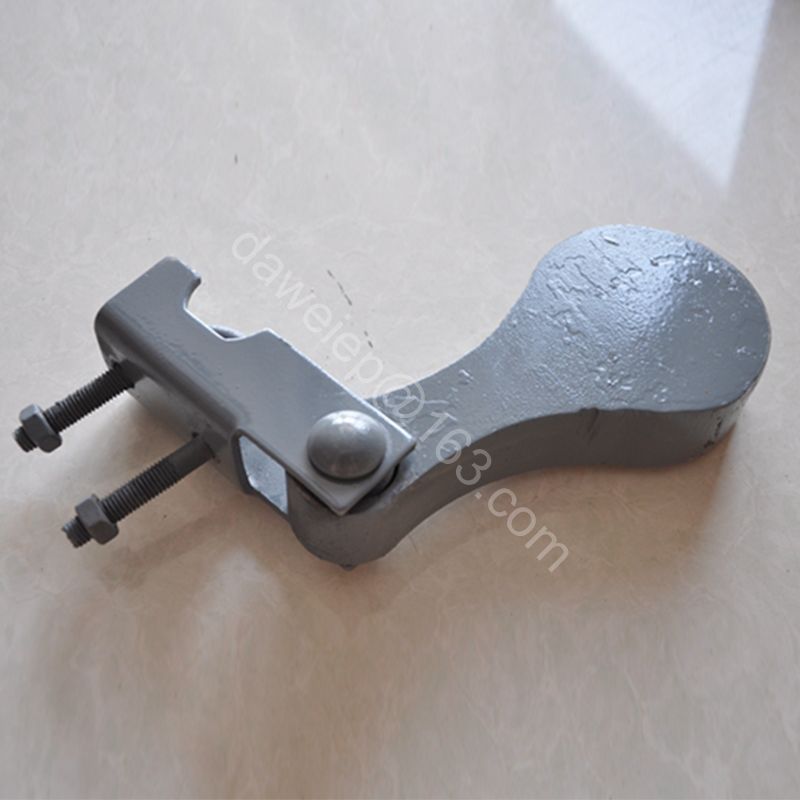
Collecting electrodes, also known as current collectors, facilitate the conduction of electrical current in electrochemical systems. Typically made from conductive materials like copper or aluminum, these electrodes serve to efficiently transport electrons to and from active materials in batteries, supercapacitors, and various electrochemical cells. The design and material selection of collecting electrodes play a critical role in determining the overall performance and lifespan of these energy storage devices.
Collecting electrodes are utilized across various fields, including:
Understanding the diverse applications of collecting electrodes highlights their significance in energy technology and underscores the need for continuous advancements in their design and maintenance.
The importance of collecting electrodes cannot be overstated. Properly designed and maintained electrodes lead to:
Maintaining collecting electrodes is essential for ensuring longevity and peak performance. Key maintenance practices include:
To ensure optimal performance of your collecting electrodes, it is crucial to follow the recommended maintenance practices. Reading the user guide provided is essential in understanding specific usage instructions and safety precautions. Furthermore, exploring advanced electrode models from reputable brands such as Dawei can offer significant improvements for energy applications.
Q1: What materials are typically used for collecting electrodes?
A1: Common materials include copper, aluminum, and various composite materials designed for specific applications.
Q2: How does the design affect the performance of collecting electrodes?
A2: Factors like thickness, surface area, and the type of conducting material can greatly influence electrical resistance and overall efficiency.
Q3: How often should I maintain my collecting electrodes?
A3: Regular maintenance every 50 cycles and periodic assessments should be performed to ensure optimal performance.
For individuals or businesses seeking to deepen their understanding of collecting electrodes and improve their electrochemical systems, consider trials with advanced products and technology from Dawei. This proactive approach can lead to innovative solutions, maximizing functionality, and enhancing your energy conversion processes.