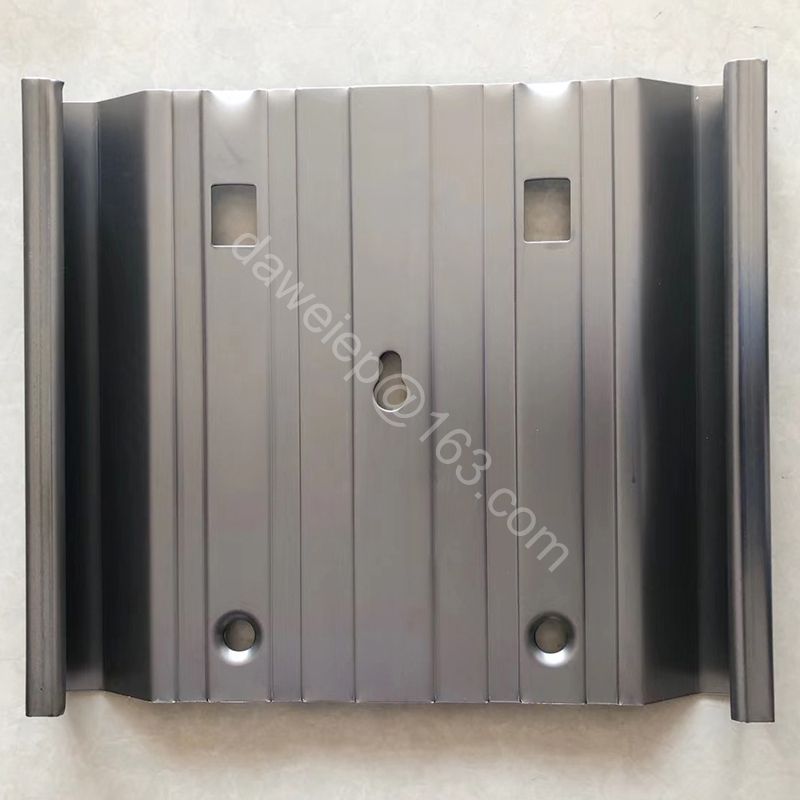
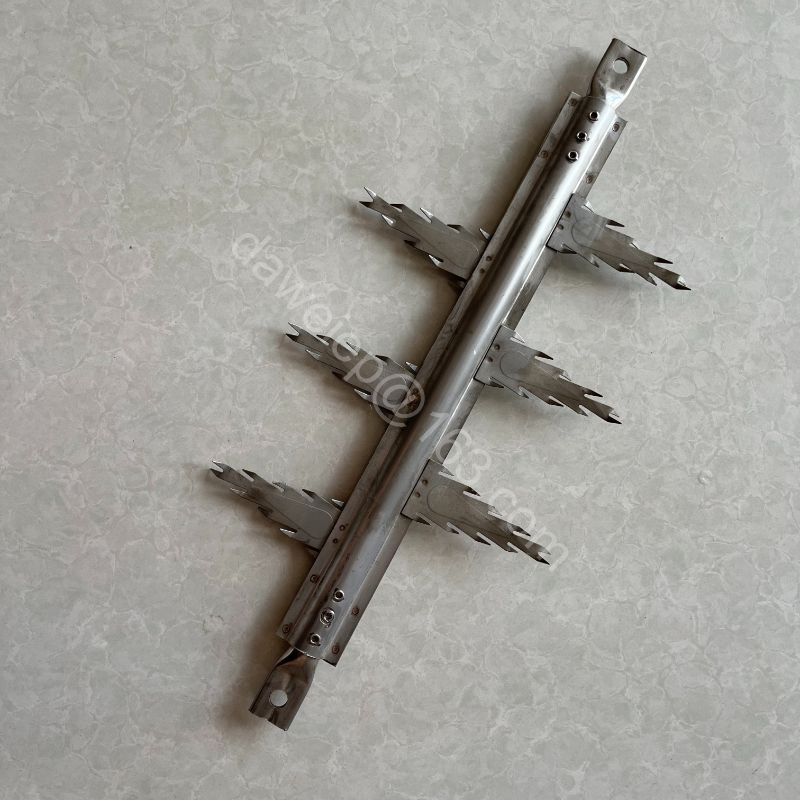
The emergence of collecting electrodes has significantly revolutionized the landscape of measurement technology, facilitating more accurate and efficient data gathering. In industries like environmental monitoring, medical diagnostics, and industrial automation, the relevance of reliable sensor technology cannot be overstated. Collecting electrodes, designed to capture and transmit data about various parameters, address crucial pain points like data accuracy and reliability. By understanding collecting electrodes and their applications, users can make informed decisions that enhance their operational efficiency.
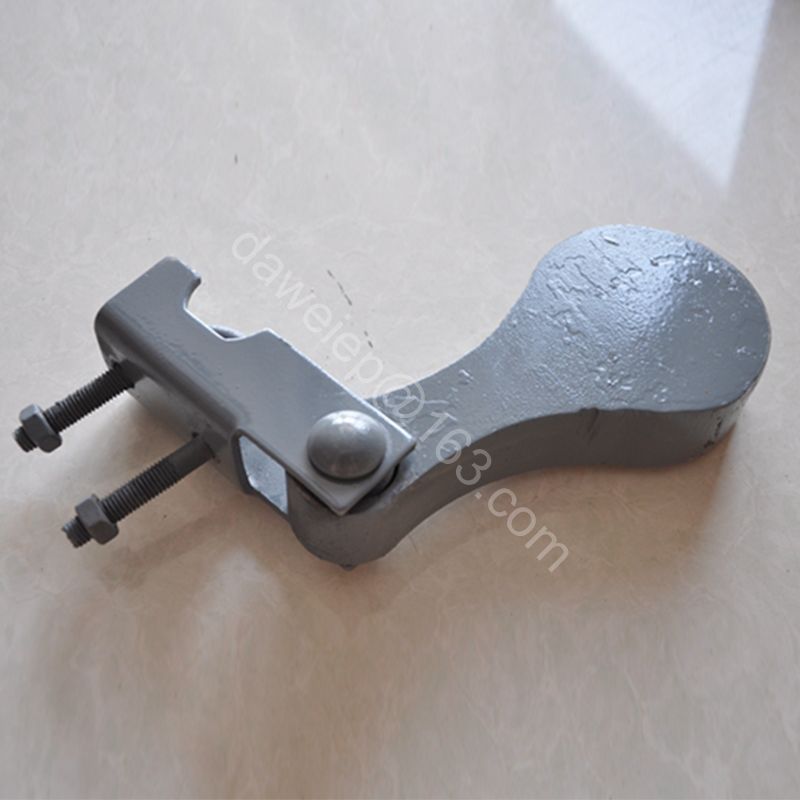
A Collecting Electrode is defined as a conductive element designed to gather electrical signals from a specific medium, converting these signals into measurable data. In scientific terminology, this technology primarily uses the principles of electrochemistry to facilitate interactions between charged particles. A well-designed collecting electrode must exhibit high conductivity, robustness, and compatibility with various environments.
In the field of electrochemistry, terms such as "electrode potential," "current density," and "Faradaic reaction" are vital. The quality of a collecting electrode is often measured by its impedance, which is the resistance it offers to the flow of electric current, reflecting its efficiency and efficacy in various applications.
Collecting electrodes find applications in diverse fields, including:
According to a recent report from CoinDesk, the integration of advanced sensing technology in smart cities has resulted in a data accuracy increase of up to 25%, showcasing the practical benefits of utilizing sophisticated collecting electrodes.
Understanding the importance of collecting electrodes reveals multiple advantages:
Enhanced Data Accuracy:
Cost-Effectiveness:
Versatility:
For users wishing to harness the potential of collecting electrodes, further exploration is recommended. Begin by consulting the user manual to understand the specific requirements for installation and operation of collecting electrodes. Familiarize yourself with the brand Dawei, known for high-quality electrode solutions.
What materials are used to manufacture collecting electrodes?
Common materials include platinum, gold, and carbon-based composites, each selected for specific applications based on conductivity and chemical stability.
How do I maintain my collecting electrode?
Regular calibration and cleaning are essential to ensure long-lasting performance. Follow the guidelines in the user manual for specific maintenance procedures.
Where can I purchase high-quality collecting electrodes?
Reliable sources include specialized suppliers like Dawei, known for their cutting-edge technology and materials.
For those interested in deepening their knowledge and experience with collecting electrodes, trial options are available from leading brands like Dawei. Explore their product offerings to find solutions tailored to your specific needs.
By leveraging the advancements in collecting electrode technology, industries can significantly improve their measurement systems, ensuring better decision-making and operational success.