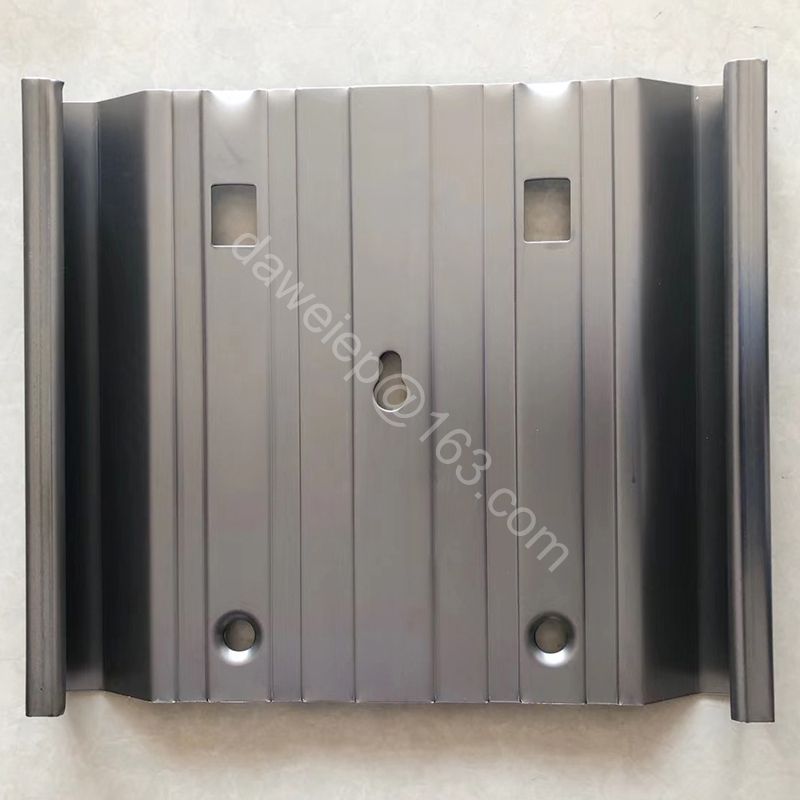
In today's fast-paced industrial landscape, air quality has become a significant concern due to increased pollution levels. Particulate matter (PM) poses health risks and environmental challenges, emphasizing the need for effective removal technologies. One of the pioneering solutions in this area is the use of collecting electrodes, a crucial component in electrostatic precipitators (ESPs) and other pollution control systems. With the ability to capture even the smallest particles, collecting electrodes significantly contribute to cleaner air and improved respiratory health. Advanced technologies have resulted in collecting electrodes that can increase capture efficiency by over 90%, making them a key player in air purification.
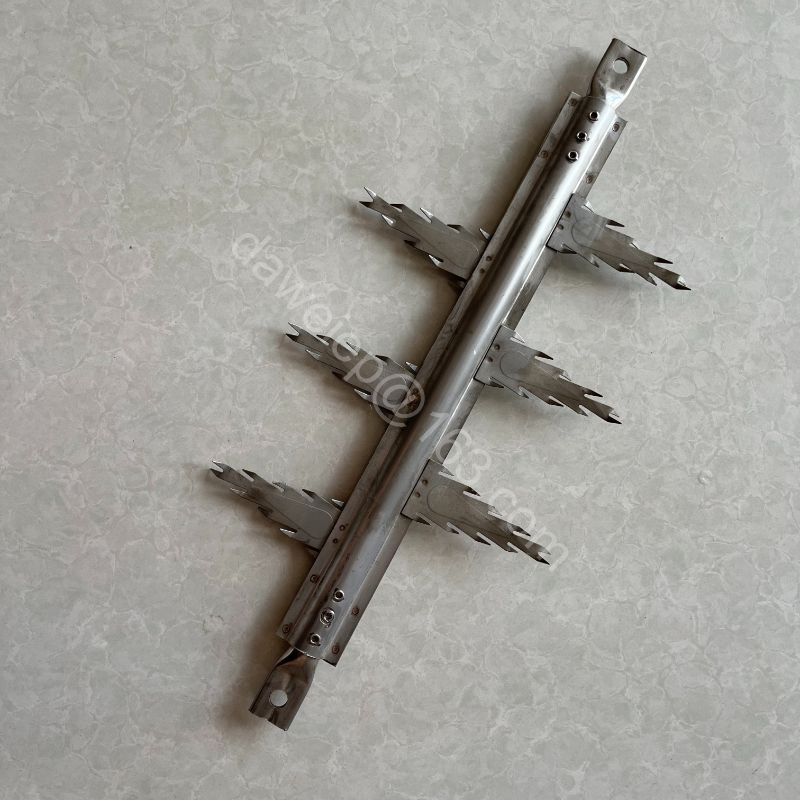
Collecting electrodes are specially designed components that use electrostatic forces to attract and capture particulate matter from exhaust gases. In principal operation, these electrodes generate an electric field that ionizes the incoming particles, effectively charging them and facilitating their adhesion to the electrode surfaces. According to the industry standards, the efficiency of collecting electrodes can be quantified by their collection efficiency rate, which refers to the percentage of particles successfully captured. A study by the U.S. Environmental Protection Agency (EPA) confirms that modern systems can achieve collection efficiencies exceeding 99% for particles larger than 0.5 micrometers in diameter.
Collecting electrodes play a vital role across various sectors, particularly:
The versatility of collecting electrodes in these domains ensures adherence to environmental regulations while promoting public health safety.
The use of collecting electrodes in pollution control offers several advantages:
Studies indicate that facilities employing collecting electrodes have reported a 45% decrease in maintenance costs, primarily due to reduced filter replacements and extended equipment lifespan.
For those interested in optimizing particulate matter removal, exploring the user guide for collecting electrodes is recommended. This guide provides instructions on maintenance schedules, operating conditions, and performance benchmarks. Familiarizing yourself with these guidelines ensures enhanced efficiency and longevity of your air quality control systems.
Q: What maintenance do collecting electrodes require?
A: Regular inspection for wear and buildup of dust and debris is essential. Cleaning the electrodes as per the manufacturer's recommendations can maintain optimal performance.
Q: How do I know if my collecting electrodes are effective?
A: Monitoring the collection efficiency and maintaining compliance with emission standards can help determine effectiveness. Use real-time monitoring systems for accurate assessment.
Q: Can collecting electrodes handle varying particle sizes?
A: Yes, modern collecting electrodes can effectively capture particles of various sizes, especially designed to target those above 0.5 micrometers.
Q: Are there specific brands to consider?
A: Brands like Dawei provide reliable collecting electrodes known for their durability and efficiency in particulate matter removal.
As air quality continues to be a pressing global issue, collecting electrodes emerge as a pivotal technology in particulate matter removal. By implementing effective solutions like electrostatic precipitators equipped with quality electrodes, industries can contribute to a cleaner environment and better health outcomes. To further explore this technology or for a trial, consider reaching out to reputable brands such as Dawei.
If you would like more information about this product, please feel free to contact us. Recommend other popular products for you.: Collecting Electrode